- Gurgaon Pataudi Road, Near Laxmi Furniture, Sector - 89, Gurugram - 122004 INDIA
- +91- 8826447707
- 0124500099
- amanhospital1829@gmail.com


Laparoscopic Ovarian Cyst Removal: Benefits & Recovery

Understanding Uterine Fibroids in Women: Causes, Symptoms and Treatment Guide
June 25, 2026
PCOS and Fertility: What Every Woman Needs to Know
July 10, 2026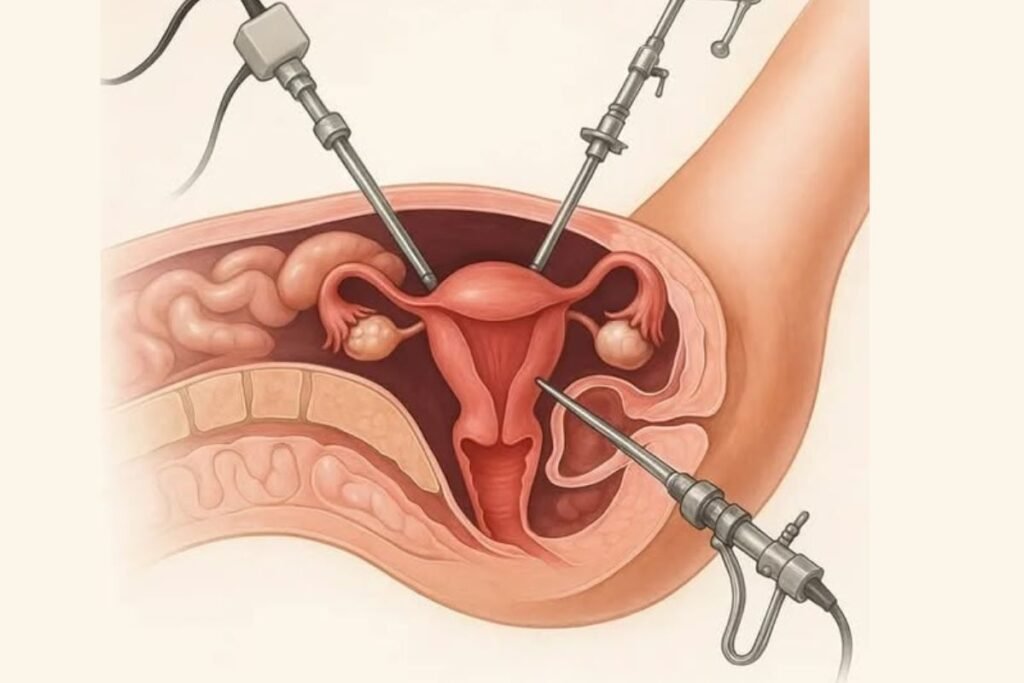
For many women, Laparoscopic Ovarian Cyst Removal is the preferred surgical option because it is minimally invasive, safe, and offers a faster recovery compared to traditional open surgery. During this procedure, the surgeon makes two to four very small incisions in the abdomen. Choosing the Best Gynecologist and Obstetrician in Gurgaon is equally important, as an experienced specialist can accurately diagnose the type of ovarian cyst, recommend the most appropriate treatment, and perform the procedure with precision while prioritizing fertility preservation whenever possible. A laparoscope—a thin tube equipped with a high-definition camera—is inserted through one incision, allowing the surgeon to view the ovaries on a monitor. Specialized surgical instruments are then used to carefully remove the cyst while preserving as much healthy ovarian tissue as possible.
This advanced technique is commonly recommended for benign ovarian cysts that are causing symptoms or increasing in size. Since the incisions are small, patients generally experience less pain, minimal blood loss, lower infection risk, and quicker healing.
Benefits of Laparoscopic Ovarian Cyst Removal
- Smaller incisions with minimal scarring
- Less postoperative pain
- Reduced blood loss
- Lower risk of infection
- Shorter hospital stay
- Faster return to normal activities
- Better cosmetic results
- Preservation of ovarian function whenever possible
For women planning future pregnancies, Laparoscopic Ovarian Cyst Removal is often an excellent option because it aims to protect fertility while effectively treating the cyst.
Open Ovarian Cyst Surgery (Laparotomy)
Although minimally invasive surgery is preferred whenever possible, some patients require an open procedure known as a laparotomy. This involves a larger abdominal incision and may be recommended when:
- The cyst is extremely large.
- Cancer is suspected.
- The cyst has ruptured extensively.
- There is significant internal bleeding.
- Multiple complex cysts are present.
- Previous surgeries have caused extensive scar tissue.
While recovery from open Ovarian Cyst Surgery takes longer than laparoscopic surgery, it remains a safe and effective option for complex cases.
Preparing for Ovarian Cyst Surgery
Proper preparation helps ensure a smoother surgical experience and recovery. Before undergoing Ovarian Cyst Surgery, your healthcare provider may recommend:
- Blood tests
- Urine examination
- Pregnancy test (if applicable)
- Pelvic ultrasound
- MRI or CT scan for complex cysts
- Electrocardiogram (ECG) if required
- Review of current medications
- Temporary discontinuation of blood-thinning medicines
- Fasting for several hours before surgery
Patients should also discuss allergies, previous surgeries, and any chronic medical conditions with their surgeon.
What Happens During Ovarian Cyst Removal?
The exact steps depend on the type of surgery, but the general process includes:
- Administration of general anesthesia.
- Cleaning and preparing the surgical area.
- Making small laparoscopic incisions or one larger abdominal incision.
- Locating the ovarian cyst.
- Carefully removing the cyst while preserving healthy ovarian tissue whenever possible.
- Sending the removed tissue to a laboratory for examination if necessary.
- Closing the incisions with sutures or surgical glue.
The duration of Ovarian Cyst Removal generally ranges from 30 minutes to two hours depending on the size and complexity of the cyst.
Recovery After Ovarian Cyst Removal
Recovery varies depending on the surgical approach and the patient’s overall health.
Recovery After Laparoscopic Surgery
Most patients go home the same day or within 24 hours. Recovery usually includes:
- Mild abdominal soreness
- Shoulder pain from the gas used during laparoscopy
- Fatigue for several days
- Light vaginal spotting
- Gradual return to normal activities within one to two weeks
Recovery After Open Surgery
Recovery following open Ovarian Cyst Surgery generally requires:
- Hospital stay of two to four days
- Four to six weeks of healing
- Activity restrictions
- Pain management
- Regular follow-up appointments
Following your surgeon’s instructions is essential for a smooth recovery.
Possible Risks and Complications
Although Ovarian Cyst Removal is considered a safe procedure, every surgery carries some risks.
Potential complications include:
- Infection
- Bleeding
- Injury to nearby organs
- Blood clots
- Adverse reaction to anesthesia
- Recurrence of ovarian cysts
- Formation of scar tissue
- Temporary changes in menstrual cycles
Choosing an experienced gynecologic surgeon significantly reduces these risks.
Fertility After Ovarian Cyst Removal
Many women worry about future fertility. In most cases, fertility is preserved because surgeons remove only the cyst while leaving the healthy ovary intact. Women with one healthy ovary can still ovulate normally and conceive naturally.
However, fertility outcomes depend on factors such as:
- Age
- Type of cyst
- Presence of endometriosis
- Overall ovarian health
- Extent of surgery
Women planning pregnancy should discuss fertility preservation with their healthcare provider before surgery.
Can Ovarian Cysts Return?
Yes, some ovarian cysts may recur, especially functional cysts or cysts associated with hormonal conditions such as PCOS or endometriosis. Regular follow-up visits and appropriate Ovarian Cyst Treatment can help detect recurrence early.
Tips to Reduce the Risk of Ovarian Cysts
While not all cysts can be prevented, the following measures may help maintain reproductive health:
- Schedule regular gynecological check-ups.
- Report persistent pelvic pain promptly.
- Maintain a healthy weight.
- Follow a balanced diet.
- Stay physically active.
- Manage hormonal conditions under medical supervision.
- Take prescribed medications as directed.
- Attend follow-up ultrasounds if recommended.
Early diagnosis often prevents complications and reduces the need for extensive Ovarian Cyst Surgery.
Conclusion
Most ovarian cysts are harmless, but some require timely medical attention to prevent complications. Understanding your symptoms, seeking early diagnosis, and discussing the available Ovarian Cyst Treatment options with your doctor can help you make informed decisions.
If your healthcare provider recommends Ovarian Cyst Removal, modern techniques such as Laparoscopic Ovarian Cyst Removal offer a safe, effective, and minimally invasive solution with faster recovery and excellent outcomes. Knowing When is Ovarian Cyst Removal Needed empowers you to seek care at the right time and protect your long-term reproductive health.
If you experience persistent pelvic pain, irregular periods, abdominal swelling, or other concerning symptoms, consult a qualified gynecologist promptly. Early evaluation and appropriate Ovarian Cyst Surgery when necessary can help preserve your health, fertility, and overall well-being.