- Gurgaon Pataudi Road, Near Laxmi Furniture, Sector - 89, Gurugram - 122004 INDIA
- +91- 8826447707
- 0124500099
- amanhospital1829@gmail.com

Weight Management for Women with PCOS: A Complete Guide

PCOS and Fertility: What Every Woman Needs to Know
July 10, 2026
PCOS and Irregular Periods: Understanding the Hormonal Connection
July 18, 2026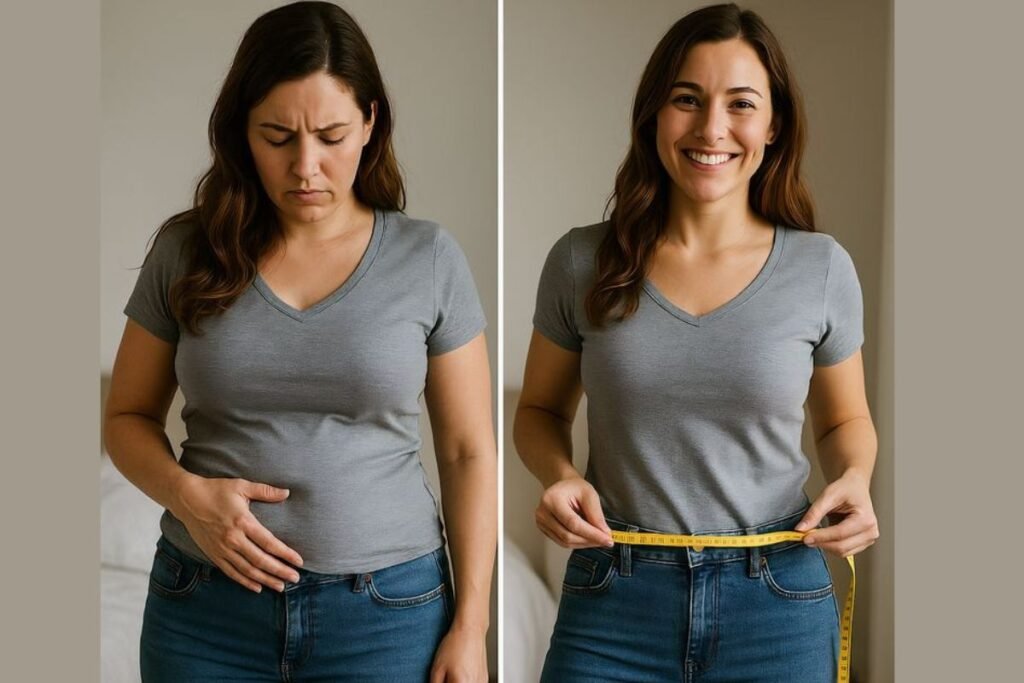
Polycystic Ovary Syndrome (PCOS) affects millions of women worldwide, and one of its most frustrating symptoms is stubborn weight gain that seems resistant to typical diet and exercise efforts. If you’re struggling with PCOS weight loss, you’re not alone — and more importantly, you’re not doing anything wrong. Seeking guidance from the Best Gynecologist and Obstetrician in Gurgaon can help you receive a personalized treatment plan that addresses hormonal imbalances, lifestyle changes, and weight management strategies specific to PCOS. The challenge lies in understanding how PCOS affects your body differently, and adjusting your approach accordingly.
This guide breaks down the science behind PCOS-related weight gain and offers practical, sustainable strategies for managing your weight effectively.
Understanding the PCOS-Weight Connection
Before diving into solutions, it helps to understand why PCOS makes weight management so uniquely challenging. At the core of the issue is a combination of hormonal imbalance and weight gain that creates a frustrating cycle many women find hard to break.
PCOS is characterized by elevated androgen (male hormone) levels, irregular ovulation, and — in up to 70% of cases — insulin resistance. These three factors work together to make fat loss harder and fat storage easier, particularly around the abdomen. Unlike typical weight gain, PCOS-related weight gain often doesn’t respond to calorie restriction alone, which is why so many women feel like they’ve “tried everything” without results.
The good news? Once you understand the mechanisms at play, you can build a plan that works with your body instead of against it.
The Role of Insulin Resistance
Perhaps the single most important factor in PCOS weight loss is managing insulin resistance. When your cells become less responsive to insulin, your pancreas compensates by producing more of it. High insulin levels don’t just affect blood sugar — they also:
- Stimulate the ovaries to produce more androgens, worsening PCOS symptoms
- Promote fat storage, especially visceral (belly) fat
- Increase hunger and cravings, particularly for sugary or refined carbohydrate foods
- Make it significantly harder to lose fat even in a calorie deficit
This is why an insulin resistance diet is often recommended as the foundation of any PCOS weight management plan. The goal isn’t just eating less — it’s eating in a way that keeps insulin levels stable throughout the day.
What Does an Insulin Resistance Diet Look Like?
An effective insulin resistance diet for PCOS typically includes:
- Balanced macronutrients at each meal — pairing carbohydrates with protein and healthy fats slows glucose absorption and prevents insulin spikes.
- Consistent meal timing — irregular eating patterns can worsen insulin sensitivity over time.
- Adequate protein intake — aim for a source of protein at every meal to support satiety and stabilize blood sugar.
- Limiting refined sugars and processed carbs — these cause rapid insulin spikes and contribute to cravings.
- Including fiber-rich foods — fiber slows digestion and improves insulin response.
Many women find that shifting their focus from calorie counting to blood sugar stability produces better, more sustainable results.
Why Low Glycemic Index Foods Matter
Closely tied to insulin management is the concept of glycemic index (GI) — a measure of how quickly a food raises blood sugar. Choosing low glycemic index foods is one of the most evidence-backed dietary strategies for women with PCOS.
High-GI foods (white bread, sugary cereals, sodas, white rice) cause rapid blood sugar spikes followed by crashes, which trigger more insulin release and often lead to increased hunger shortly after eating. Low-GI foods, on the other hand, are digested more slowly, leading to steadier blood sugar and insulin levels.
Examples of Low-GI Foods to Prioritize
- Vegetables: leafy greens, broccoli, peppers, zucchini
- Legumes: lentils, chickpeas, black beans
- Whole grains: steel-cut oats, quinoa, barley
- Fruits: berries, apples, pears (in moderation, paired with protein or fat)
- Nuts and seeds: almonds, walnuts, chia seeds, flaxseed
- Lean proteins: chicken, fish, tofu, eggs
A simple starting strategy is the “plate method”: fill half your plate with non-starchy vegetables, a quarter with lean protein, and a quarter with a low-GI carbohydrate source. This naturally balances your meal and supports better blood sugar control without requiring strict calorie tracking.
Breaking the Hormonal Imbalance and Weight Gain Cycle
As mentioned earlier, hormonal imbalance and weight gain feed into each other in a self-reinforcing loop with PCOS. Excess insulin raises androgen levels, which can worsen symptoms like acne, excess hair growth, and irregular periods — and elevated androgens themselves are linked to increased abdominal fat storage.
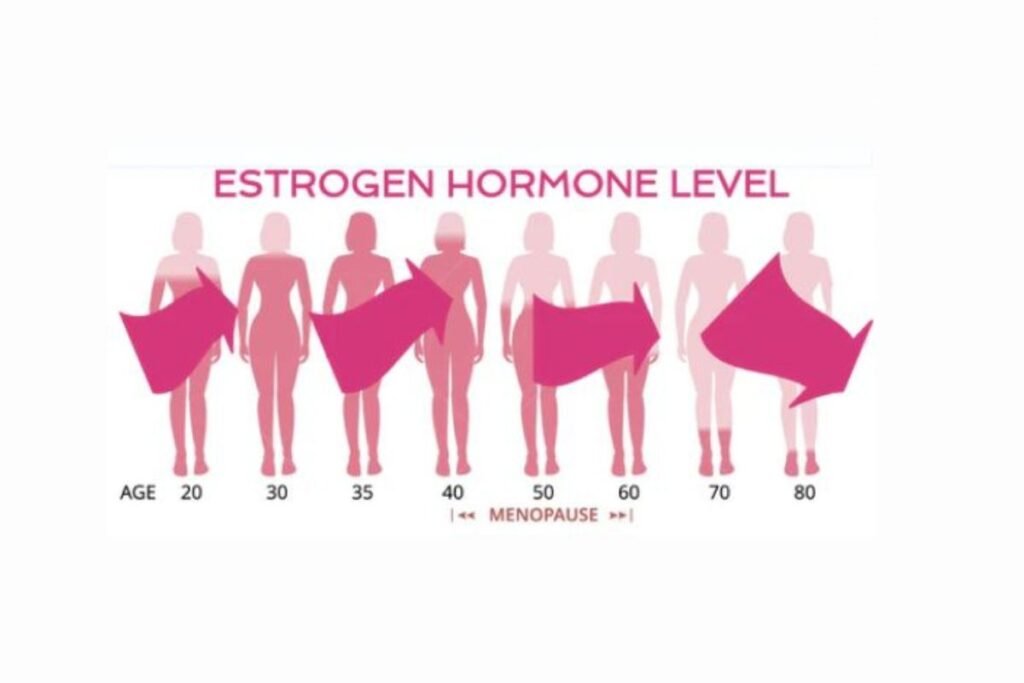
Breaking this cycle requires a multi-pronged approach:
- Prioritize sleep: Poor sleep worsens insulin resistance and increases cortisol, another hormone linked to abdominal fat storage. Aim for 7–9 hours per night.
- Manage stress: Chronic stress elevates cortisol, which can further disrupt insulin and androgen balance. Practices like meditation, deep breathing, or gentle yoga can help.
- Consider working with a healthcare provider: For some women, medications like metformin or hormonal birth control may be recommended alongside lifestyle changes to help regulate insulin and hormone levels. This should always be discussed with a doctor familiar with your individual health history.
Weight loss itself can also help break the cycle — even a modest reduction of 5–10% of body weight has been shown to improve ovulation, reduce androgen levels, and improve insulin sensitivity in women with PCOS.
The Power of PCOS-Friendly Exercise
Diet is only part of the equation. PCOS-friendly exercise plays a critical role in improving insulin sensitivity, supporting hormone balance, and aiding sustainable weight management.
Not all exercise affects PCOS the same way, however. Excessive high-intensity training without adequate recovery can actually raise cortisol levels and worsen symptoms for some women. The goal is finding a sustainable balance.
Recommended Types of Exercise for PCOS
- Strength training (2–4x per week): Building muscle mass improves insulin sensitivity, since muscle tissue uses glucose more efficiently than fat tissue. This is one of the most effective forms of exercise for PCOS management.
- Moderate cardio (150 minutes per week): Walking, swimming, cycling, or dancing at a moderate intensity supports cardiovascular health and calorie balance without excessively spiking cortisol.
- Low-impact movement: Yoga and Pilates can help reduce stress hormones while improving flexibility and core strength.
- Limited high-intensity interval training (HIIT): While HIIT can be beneficial in moderation (1–2x per week), overdoing it may backfire for women with elevated cortisol or significant insulin resistance.
The most important factor is consistency over intensity. A sustainable routine you can maintain long-term will outperform an aggressive plan you abandon after a few weeks.
Building a Sustainable PCOS Weight Management Routine
Bringing these elements together, here’s what a realistic weekly approach might look like:
Nutrition:
- Build meals around protein, fiber, and low glycemic index foods
- Reduce processed sugars and refined carbohydrates
- Eat at consistent times to support insulin stability
- Stay hydrated and limit alcohol, which can affect blood sugar and liver function
Exercise:
- 3 strength training sessions
- 3–4 moderate cardio sessions (30 minutes each)
- 1–2 yoga or stretching sessions for stress management
Lifestyle:
- Prioritize 7–9 hours of sleep
- Practice daily stress-reduction techniques
- Track symptoms (not just weight) — energy levels, cycle regularity, and mood are equally important markers of progress
Medical support:
- Regular check-ins with a healthcare provider to monitor insulin levels, hormone panels, and overall metabolic health
- Consider working with a registered dietitian who specializes in PCOS for personalized guidance
Setting Realistic Expectations
One of the most important mindset shifts for successful PCOS weight loss is letting go of the “quick fix” mentality. Because PCOS involves complex hormonal and metabolic factors, progress is often slower and less linear than for women without the condition. This doesn’t mean it’s not happening — it means consistency matters more than speed.
Focus on non-scale victories: more regular cycles, improved energy, reduced cravings, better sleep, and clearer skin are all signs that your approach is working, even if the scale moves slowly. Many women find that after 3–6 months of consistent lifestyle changes, both symptoms and weight begin to shift more noticeably.
Final Thoughts
Managing weight with PCOS isn’t about willpower — it’s about working strategically with your unique hormonal profile. By focusing on an insulin resistance diet, prioritizing low glycemic index foods, addressing the root causes of hormonal imbalance and weight gain, and incorporating PCOS-friendly exercise, you can create sustainable, meaningful progress. For women who require comprehensive medical evaluation or treatment for related health concerns, consulting specialists at the Best General Surgery Hospital can provide access to multidisciplinary care and advanced healthcare support. With consistency, patience, and the right guidance, long-term improvements in both weight management and overall well-being are achievable.
I prefer this response
Remember that PCOS affects every woman differently, so what works for one person may need adjusting for another. Partnering with healthcare providers who understand PCOS — including doctors, dietitians, and endocrinologists — can help you build a plan tailored to your specific needs and health goals.
Weight management for women with PCOS is absolutely achievable. It just requires patience, the right information, and a plan built around how your body actually works.