- Gurgaon Pataudi Road, Near Laxmi Furniture, Sector - 89, Gurugram - 122004 INDIA
- +91- 8826447707
- 0124500099
- amanhospital1829@gmail.com

Gall Bladder Surgery Recovery Tips for Faster Healing & Better Health

What Diet Plan Should You Follow During Monthly Cramps?
June 17, 2026
Understanding Uterine Fibroids in Women: Causes, Symptoms and Treatment Guide
June 25, 2026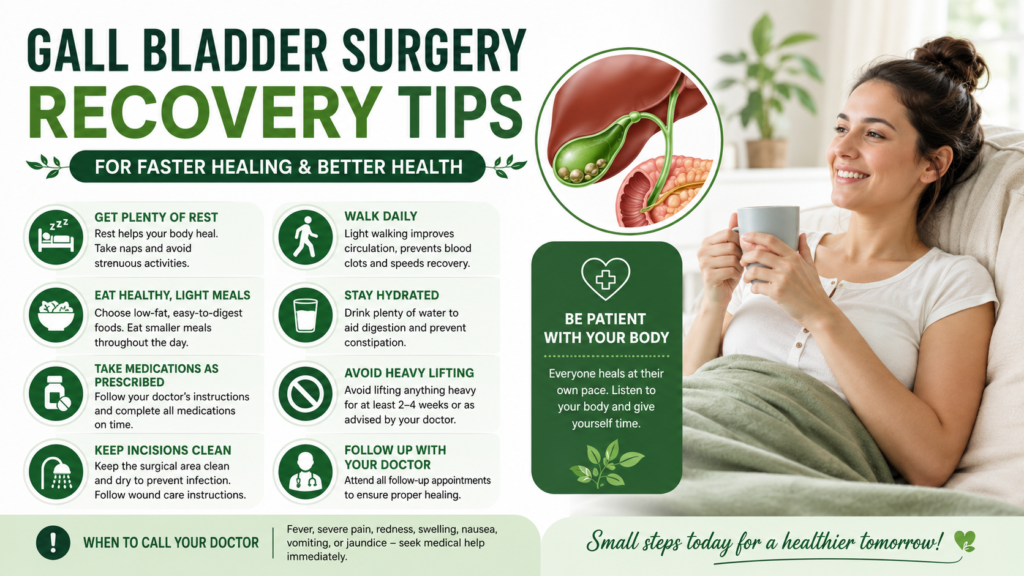
Gallbladder surgery, also known as cholecystectomy, is one of the most common surgical procedures performed worldwide. It is usually recommended when gallstones, inflammation, or other gallbladder conditions cause pain and complications. While the surgery itself is generally safe and effective, the recovery period plays a crucial role in ensuring long-term health and comfort.
Following the right Gall Bladder Surgery Recovery Tips can help reduce discomfort, prevent complications, and allow you to return to your normal routine sooner. Many patients seek treatment at a trusted General Surgery Hospital in Gurgaon to ensure expert surgical care and comprehensive post-operative support. Patients often experience significant relief from symptoms after surgery, but understanding what to expect during recovery is essential for a successful outcome.
This comprehensive guide covers everything you need to know about Post Gallbladder Surgery Care, including dietary recommendations, activity restrictions, warning signs, and practical advice for a smooth healing journey.
Understanding Gallbladder Surgery and Recovery
The gallbladder is a small organ located beneath the liver that stores bile, a digestive fluid that helps break down fats. When gallstones or other issues develop, surgery may be necessary to remove the gallbladder.
There are two primary types of gallbladder surgery:
- Laparoscopic cholecystectomy
- Open cholecystectomy
Most patients undergo laparoscopic surgery because it involves smaller incisions, less pain, and quicker healing. However, regardless of the surgical method, proper Gallbladder Removal Recovery requires patience and adherence to medical instructions.
Recovery times vary depending on factors such as age, overall health, and the complexity of the procedure. While some individuals resume normal activities within a week, others may require several weeks for complete healing.
What to Expect Immediately After Surgery
The first few days after surgery are critical for healing. Patients may experience:
- Mild pain around the incision sites
- Bloating and gas discomfort
- Fatigue
- Nausea
- Temporary digestive changes
These symptoms are generally normal and improve gradually. Following recommended Gall Bladder Surgery Recovery Tips can make this phase more manageable.
Doctors often encourage light movement soon after surgery to promote circulation and reduce the risk of blood clots. Walking short distances several times a day can support recovery and improve overall well-being.
Essential Post Gallbladder Surgery Care Tips
Proper Post Gallbladder Surgery Care can significantly impact recovery speed and comfort. Here are some key recommendations:
Follow Your Doctor’s Instructions
Your surgeon will provide personalized guidelines regarding:
- Medication usage
- Wound care
- Physical activity
- Follow-up appointments
Adhering to these instructions is one of the most important Gall Bladder Surgery Recovery Tips.
Keep Incisions Clean
Proper wound care helps prevent infection. Patients should:
- Wash hands before touching the surgical area
- Follow bathing instructions carefully
- Monitor for redness, swelling, or drainage
Maintaining clean incision sites is a fundamental aspect of Post Gallbladder Surgery Care.
Stay Hydrated
Drinking sufficient water supports digestion and promotes healing. Hydration can also help prevent constipation, a common issue after surgery due to medications and reduced activity.
Get Adequate Rest
The body requires energy to repair tissues. Prioritize sleep and avoid overexertion during the early stages of Gallbladder Removal Recovery.
Diet After Gallbladder Surgery
One of the biggest concerns patients have is adjusting their eating habits. The right Diet After Gallbladder Surgery can reduce digestive discomfort and help the body adapt to functioning without a gallbladder.
Why Diet Matters
Without a gallbladder, bile flows directly from the liver into the small intestine. This continuous flow can make digesting fatty foods more challenging initially.
Following an appropriate Diet After Gallbladder Surgery helps minimize symptoms such as:
- Diarrhea
- Bloating
- Indigestion
- Abdominal discomfort
Foods to Eat During Recovery
Focus on gentle, nutritious foods such as:
Lean Proteins
- Skinless chicken
- Turkey
- Fish
- Tofu
Fruits and Vegetables
- Apples
- Bananas
- Carrots
- Spinach
Whole Grains
- Oatmeal
- Brown rice
- Whole wheat bread
Low-Fat Dairy
- Yogurt
- Skim milk
- Cottage cheese
These foods support healing while making the transition easier during Gallbladder Removal Recovery.
Foods to Avoid
Certain foods may trigger digestive discomfort, especially in the first few weeks.
Avoid:
- Fried foods
- Fast food
- Fatty meats
- Creamy sauces
- Highly processed snacks
- Excessively spicy foods
Carefully following a healthy Diet After Gallbladder Surgery can help reduce complications and improve digestive comfort.
Eat Smaller Meals
Rather than consuming three large meals, consider eating:
- Five to six smaller meals daily
Smaller portions are easier to digest and place less stress on the digestive system.
Managing Pain and Discomfort
Pain management is another important component of Gall Bladder Surgery Recovery Tips.
Take Medications as Directed
Doctors may prescribe pain relievers or recommend over-the-counter medications. Always follow dosage instructions carefully.
Use Proper Positioning
Many patients find relief by:
- Sleeping slightly elevated
- Using pillows for support
- Avoiding pressure on incision sites
Gentle Movement Helps
Walking can:
- Reduce gas pain
- Improve circulation
- Support digestion
Movement is an often-overlooked aspect of effective Post Gallbladder Surgery Care.
Physical Activity During Recovery
Returning to activity too quickly can slow healing or increase the risk of complications.
First Week
Focus on:
- Short walks
- Light household tasks
- Rest periods
Weeks Two to Four
Gradually increase activity levels while avoiding:
- Heavy lifting
- Intense exercise
- Strenuous work
Long-Term Recovery
Most individuals eventually return to normal activities, but listening to your body remains essential throughout Gallbladder Removal Recovery.
Common Digestive Changes After Surgery
Some digestive adjustments are normal after gallbladder removal.
Diarrhea
Temporary diarrhea may occur as the body adapts to changes in bile flow.
Helpful strategies include:
- Staying hydrated
- Following a low-fat diet
- Eating fiber gradually
Bloating and Gas
Gas and bloating often improve within a few weeks.
To reduce symptoms:
- Eat slowly
- Avoid carbonated beverages
- Limit gas-producing foods
Indigestion
Some patients experience indigestion when consuming fatty meals. Maintaining a balanced Diet After Gallbladder Surgery can minimize these issues.
Emotional Well-Being During Recovery
Physical healing is only one part of recovery. Emotional health is equally important.
Patients may feel:
- Frustrated by temporary limitations
- Anxious about symptoms
- Concerned about returning to normal routines
Helpful strategies include:
- Maintaining realistic expectations
- Seeking support from family and friends
- Discussing concerns with healthcare providers
Positive mental health can contribute significantly to successful Gall Bladder Surgery Recovery Tips.
Warning Signs You Should Not Ignore
While most recoveries are smooth, certain symptoms require immediate medical attention.
Contact your doctor if you experience:
- High fever
- Severe abdominal pain
- Persistent vomiting
- Yellowing of the skin or eyes
- Excessive redness around incisions
- Difficulty breathing
Recognizing complications early is a vital part of Gallbladder Surgery Aftercare Tips.
Long-Term Lifestyle Changes
Although many patients return to normal eating habits eventually, healthy lifestyle choices remain beneficial.
Maintain a Healthy Weight
Obesity increases the risk of digestive issues and other health concerns.
Exercise Regularly
Regular activity supports:
- Digestion
- Weight management
- Cardiovascular health
Follow a Balanced Diet
Continuing a nutritious Diet After Gallbladder Surgery can improve overall wellness and digestive comfort.
Limit Fatty Foods
Many individuals find that reducing high-fat foods improves digestion even months after surgery.
These simple habits serve as effective Gallbladder Surgery Aftercare Tips for long-term health.
Conclusion
Recovering from gallbladder surgery is a gradual process that requires attention to diet, activity, hydration, and overall self-care. By following proven Gall Bladder Surgery Recovery Tips, patients can minimize discomfort, support healing, and return to daily life with confidence.
Consistent Post Gallbladder Surgery Care, a healthy Diet After Gallbladder Surgery, and adherence to practical Gallbladder Surgery Aftercare Tips can make a significant difference in recovery outcomes. While each person’s healing journey is unique, patience and proper care are key to achieving the best possible results.
Remember to stay in close communication with your healthcare provider, attend follow-up appointments, and seek medical advice whenever concerns arise. With the right approach, Gallbladder Removal Recovery can be smooth, safe, and successful.