- Gurgaon Pataudi Road, Near Laxmi Furniture, Sector - 89, Gurugram - 122004 INDIA
- +91- 8826447707
- 0124500099
- amanhospital1829@gmail.com


Understanding Uterine Fibroids in Women: Causes, Symptoms and Treatment Guide

Gall Bladder Surgery Recovery Tips for Faster Healing & Better Health
June 18, 2026
Laparoscopic Ovarian Cyst Removal: Benefits & Recovery
July 1, 2026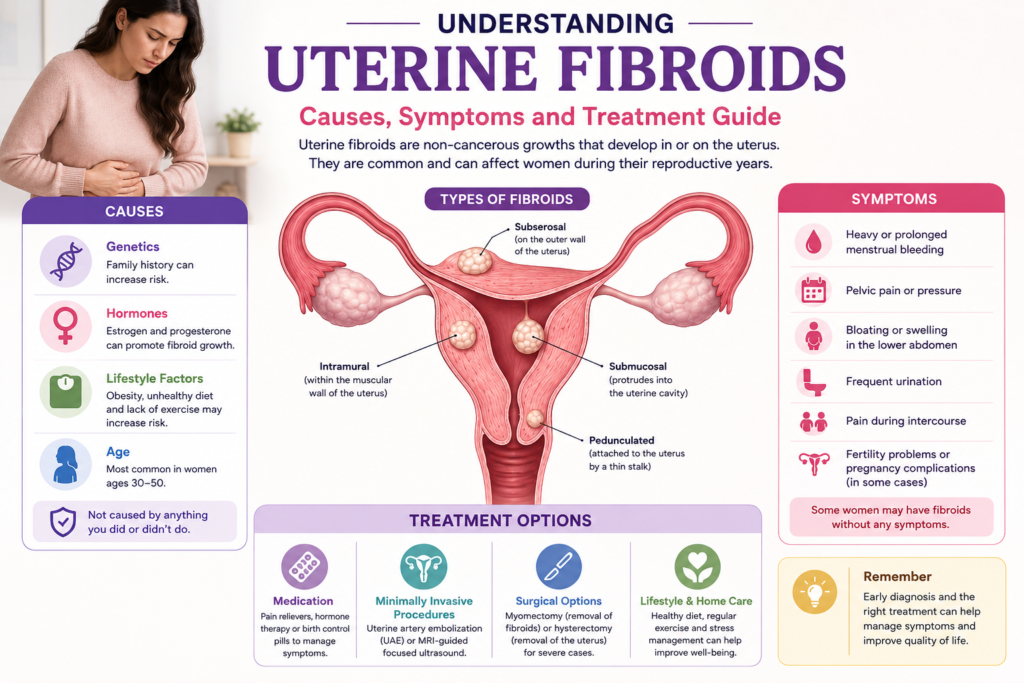
Uterine Fibroids in Women are among the most common gynecological conditions affecting women during their reproductive years. These non-cancerous growths develop in the uterus and can vary greatly in size, number, and location. While some women may live with fibroids without experiencing any noticeable issues, others may face significant health challenges that affect their daily lives. If you experience symptoms such as heavy menstrual bleeding, pelvic pain, or fertility concerns, consulting the Best Gynecologist and Obstetrician in Gurgaon can help ensure timely diagnosis and appropriate treatment. Early medical guidance can make a significant difference in managing fibroids effectively and improving overall reproductive health.
Awareness about Fibroids Symptoms and Treatment is essential because early diagnosis can help prevent complications and improve overall reproductive health. Understanding the Causes of Uterine Fibroids, recognizing the Signs and Symptoms of Fibroids, and learning about available Fibroid Treatment Options can empower women to seek timely medical care.
What Are Uterine Fibroids?
Uterine Fibroids in Women are benign tumors composed of muscle and connective tissue. They grow within or around the uterus and are also known as leiomyomas or myomas. Fibroids are not cancerous and rarely become cancerous, but they can cause a range of symptoms depending on their size and location.
Some women develop a single fibroid, while others may have multiple fibroids growing simultaneously. The condition is extremely common, particularly among women between the ages of 30 and 50.
Because Uterine Fibroids in Women can affect menstrual health, fertility, and pregnancy outcomes, regular gynecological examinations are important for early detection.
Causes of Uterine Fibroids
Although researchers have not identified a single cause, several factors contribute to the development of fibroids. Understanding the Causes of Uterine Fibroids helps women recognize risk factors and take proactive steps toward better reproductive health.
Hormonal Influence
Estrogen and progesterone are hormones that regulate the menstrual cycle. These hormones may stimulate fibroid growth, making hormonal imbalance one of the primary Causes of Uterine Fibroids.
Fibroids often increase in size during pregnancy when hormone levels rise and may shrink after menopause when hormone production decreases.
Genetic Factors
Women with a family history of fibroids have a greater likelihood of developing the condition. Research indicates that genetic mutations may contribute to the Causes of Uterine Fibroids.
Age-Related Risk
Fibroids are most frequently diagnosed during reproductive years. Age remains one of the most recognized Causes of Uterine Fibroids because prolonged exposure to hormones increases the chance of growth development.
Obesity and Lifestyle
Excess body fat can increase estrogen production, potentially encouraging fibroid growth. Maintaining a healthy weight may help reduce some risk factors associated with the Causes of Uterine Fibroids.
Dietary Factors
Some studies suggest that diets high in red meat and low in fruits and vegetables may increase the likelihood of fibroid development.
Signs and Symptoms of Fibroids
Not all women experience symptoms. However, when symptoms occur, they can significantly impact physical comfort and quality of life. Recognizing the Signs and Symptoms of Fibroids is important for timely diagnosis and treatment.
Heavy Menstrual Bleeding
One of the most common Signs and Symptoms of Fibroids is unusually heavy menstrual bleeding. Women may experience longer periods and excessive blood loss.
Pelvic Pressure
Fibroids can create pressure within the pelvis, leading to discomfort and a sensation of fullness.
Frequent Urination
Large fibroids may press against the bladder, causing increased urinary frequency. This is among the commonly reported Signs and Symptoms of Fibroids.
Constipation
Fibroids that press on the rectum may interfere with bowel movements.
Pelvic Pain
Persistent pelvic pain is another important indicator among the Signs and Symptoms of Fibroids.
Lower Back Pain
Women with larger fibroids may experience chronic lower back discomfort due to pressure on surrounding structures.
Pain During Intimacy
Some fibroids can cause pain during sexual intercourse, affecting physical and emotional well-being.
Enlarged Abdomen
As fibroids grow, they may cause noticeable abdominal enlargement.
Understanding these Signs and Symptoms of Fibroids helps women identify potential concerns and seek professional medical evaluation.
Fibroids Symptoms and Treatment: Why Early Diagnosis Matters
Awareness of Fibroids Symptoms and Treatment allows women to address health concerns before complications develop.
When fibroids remain untreated, they may contribute to:
- Severe anemia due to blood loss
- Fertility difficulties
- Pregnancy complications
- Chronic pelvic pain
- Reduced quality of life
Because every woman experiences fibroids differently, personalized medical care is essential.
How Doctors Diagnose Fibroids
Accurate diagnosis is a crucial step in planning appropriate Fibroids Symptoms and Treatment strategies.
Pelvic Examination
During a routine gynecological examination, a doctor may detect changes in the shape or size of the uterus.
Ultrasound Imaging
Ultrasound is commonly used to confirm the presence of fibroids and determine their size and location.
MRI Scans
MRI scans provide detailed images and are particularly useful when evaluating larger fibroids.
Hysteroscopy
This procedure allows doctors to examine the inside of the uterus using a small camera.
Diagnostic testing helps healthcare providers determine the most effective Fibroid Treatment Options for each patient.
Fibroid Treatment Options
Several Fibroid Treatment Options are available depending on symptom severity, age, and future pregnancy plans.
Observation and Monitoring
Not all fibroids require treatment. Small fibroids without symptoms may simply be monitored over time.
For many women, observation remains one of the safest Fibroid Treatment Options.
Medication-Based Treatment
Medications may help control symptoms and improve comfort.
Hormonal Medications
Hormonal therapies can help regulate menstrual bleeding and temporarily shrink fibroids.
Pain Management
Pain-relieving medications may reduce discomfort associated with fibroids.
Medication-based Fibroid Treatment Options are often recommended for women seeking symptom relief without surgery.
Minimally Invasive Procedures
Modern medicine offers advanced Fibroid Treatment Options that require shorter recovery periods.
Uterine Artery Embolization
This procedure blocks blood flow to fibroids, causing them to shrink.
Radiofrequency Ablation
Heat energy destroys fibroid tissue while preserving surrounding structures.
These minimally invasive Fibroid Treatment Options are increasingly popular among women seeking alternatives to surgery.
Surgical Treatment
When symptoms are severe, surgery may be necessary.
Myomectomy
Myomectomy removes fibroids while preserving the uterus. It is often recommended for women planning future pregnancies.
Hysterectomy
Hysterectomy involves removal of the uterus and provides a permanent solution.
Among available Fibroid Treatment Options, hysterectomy completely eliminates the risk of fibroid recurrence.
Uterine Fibroids in Women and Fertility
Many women worry about how Uterine Fibroids in Women affect fertility. The impact depends on fibroid size, location, and number.
Fibroids may:
- Distort the uterine cavity
- Interfere with embryo implantation
- Block fallopian tubes
- Increase miscarriage risk
However, many women with Uterine Fibroids in Women successfully conceive and deliver healthy babies.
Women planning pregnancy should discuss treatment options with a gynecologist.
Pregnancy and Fibroids
Pregnancy can influence fibroid growth due to hormonal changes. In some cases, fibroids remain stable, while others increase in size.
Potential complications include:
- Preterm labor
- Placental abnormalities
- Fetal positioning issues
- Cesarean delivery
Despite these risks, many women with Uterine Fibroids in Women experience normal pregnancies under appropriate medical supervision.
Lifestyle Measures That Support Treatment
Medical care remains essential, but healthy lifestyle choices can complement Fibroids Symptoms and Treatment plans.
Healthy Eating
A balanced diet rich in vegetables, fruits, and whole grains supports overall reproductive health.
Physical Activity
Regular exercise may help maintain hormonal balance and healthy body weight.
Weight Management
Maintaining a healthy weight may reduce factors linked to the Causes of Uterine Fibroids.
Stress Reduction
Stress management techniques such as yoga and meditation can support overall wellness.
When to Seek Medical Help
Women should consult a healthcare professional if they experience:
- Excessive menstrual bleeding
- Severe pelvic pain
- Persistent abdominal swelling
- Difficulty conceiving
- Frequent urination
- Symptoms of anemia
Early intervention improves outcomes and allows access to effective Fibroid Treatment Options.
Conclusion
Uterine Fibroids in Women are a common reproductive health condition that can affect women in different ways. While some women remain symptom-free, others experience significant challenges requiring medical attention. Understanding the Causes of Uterine Fibroids, recognizing the Signs and Symptoms of Fibroids, and learning about available Fibroid Treatment Options are important steps toward effective management.
With advancements in healthcare, numerous solutions are available to address Fibroids Symptoms and Treatment, ranging from lifestyle modifications and medications to minimally invasive procedures and surgery. Women who experience symptoms should seek professional guidance to receive timely diagnosis and personalized care, ensuring the best possible reproductive and overall health outcomes.