- Gurgaon Pataudi Road, Near Laxmi Furniture, Sector - 89, Gurugram - 122004 INDIA
- +91- 8826447707
- 0124500099
- amanhospital1829@gmail.com

Fatty Liver Symptoms: Early Warning Signs You Should Not Ignore

Dengue Symptoms and Tips by Dr. Sumit Malhotra
October 9, 2025
What Is Paediatric Care? Essential Information About Children’s Health, Growth, and Treatment
February 25, 2026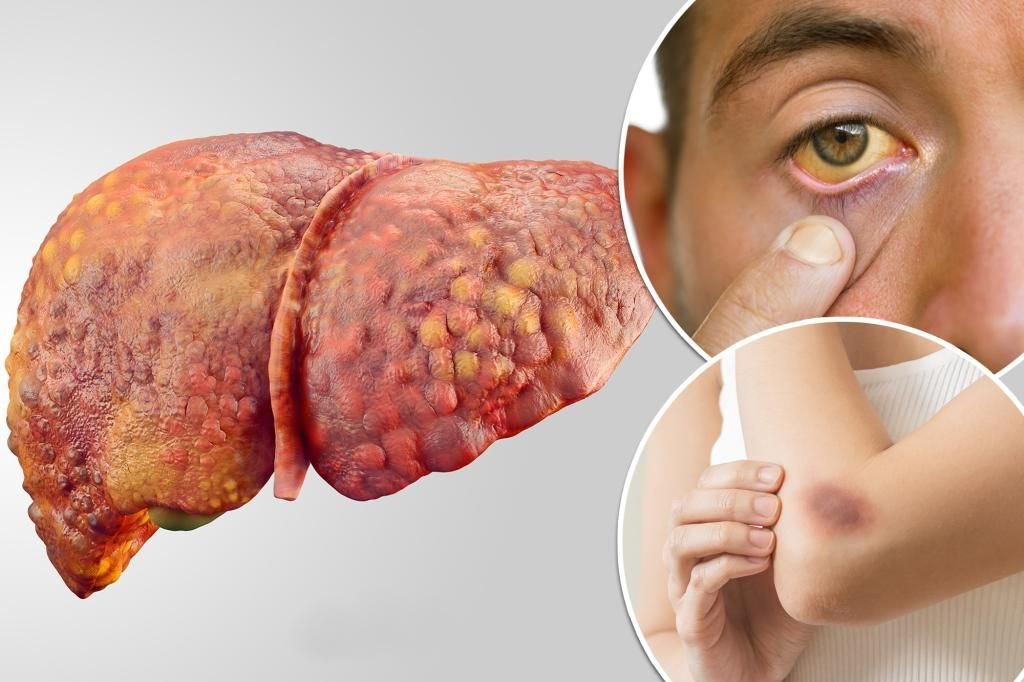
Fatty liver disease has become increasingly common due to modern lifestyle habits, poor diet, and lack of physical activity. Many people live with this condition without realizing it because fatty liver symptoms often appear slowly and may be mild in the early stages. For accurate diagnosis and timely treatment, consulting a trusted General Surgery Hospital in Gurgaon can help identify the condition early. However, ignoring these signs can lead to serious liver damage over time. Understanding the symptoms, causes, and preventive measures can help protect your liver and overall health.
What Is Non-Alcoholic Fatty Liver Disease?
Non-alcoholic fatty liver disease (NAFLD) is a condition where excess fat builds up in the liver of people who drink little or no alcohol. It is closely linked to obesity, diabetes, high cholesterol, and metabolic syndrome. NAFLD is now one of the leading causes of chronic liver disease worldwide.
In its early stage, non-alcoholic fatty liver disease may not cause noticeable discomfort. However, as fat continues to accumulate, it can trigger inflammation, scarring, and eventually severe liver conditions such as cirrhosis or liver failure if left untreated.
Fatty Liver Symptoms You Should Be Aware Of
In many cases, fatty liver symptoms are subtle and easy to overlook. People often dismiss them as general fatigue or digestive issues. Some common symptoms include:
- Persistent tiredness and low energy levels
- Mild pain or discomfort in the upper right abdomen
- Feeling of heaviness or bloating
- Loss of appetite
- Unexplained weight gain or difficulty losing weight
These symptoms may not seem alarming at first, but they can indicate underlying liver stress.
Early Signs of Fatty Liver
Recognizing the early signs of fatty liver is crucial for preventing disease progression. Early detection allows lifestyle changes and medical management to reverse the condition in many cases.
Some early indicators include:
- Constant fatigue even after adequate rest
- Difficulty concentrating or mental fog
- Mild abdominal discomfort
- Increased liver enzymes found during routine blood tests
The early signs of fatty liver often go unnoticed because they do not interfere significantly with daily life. This is why regular health checkups are important, especially for people with risk factors such as obesity or diabetes.
Common Fatty Liver Warning Signs
As the condition advances, fatty liver warning signs become more noticeable and concerning. These signs suggest that the liver is struggling to function properly.
Key warning signs include:
- Swelling in the abdomen due to fluid buildup
- Yellowing of the skin or eyes (jaundice)
- Dark-colored urine
- Pale or clay-colored stools
- Increased bruising or bleeding
Ignoring fatty liver warning signs can lead to inflammation known as non-alcoholic steatohepatitis (NASH), a more severe form of non-alcoholic fatty liver disease.
Liver Health Symptoms That Indicate a Problem
The liver plays a vital role in digestion, detoxification, and metabolism. When liver function is compromised, several liver health symptoms may appear throughout the body.
These symptoms may include:
- Digestive problems such as nausea or indigestion
- Hormonal imbalances
- Skin issues like itching or rashes
- Frequent infections due to weakened immunity
Persistent liver health symptoms should never be ignored, as they may signal ongoing liver damage that requires medical attention.
Causes and Risk Factors of Fatty Liver Disease
Both alcoholic and non-alcoholic fatty liver disease share similar risk factors. However, non-alcoholic fatty liver disease is primarily associated with lifestyle and metabolic conditions.
Major risk factors include:
- Obesity and excess belly fat
- Type 2 diabetes
- High cholesterol and triglycerides
- Poor dietary habits
- Sedentary lifestyle
Managing these risk factors can significantly reduce the severity of fatty liver symptoms and slow disease progression.
Diagnosis of Fatty Liver Disease
Doctors often diagnose fatty liver disease through a combination of medical history, physical examination, and diagnostic tests. These may include blood tests, imaging studies like ultrasound or MRI, and in some cases, a liver biopsy.
Routine testing is especially important for individuals showing early signs of fatty liver or those at high risk of developing non-alcoholic fatty liver disease.
Treatment and Management Options
There is currently no single medication that cures fatty liver disease. Treatment focuses on lifestyle changes and managing underlying conditions. Reducing body weight, improving diet, and increasing physical activity can significantly improve fatty liver symptoms.
Common management strategies include:
- Adopting a balanced, low-fat diet
- Regular exercise
- Controlling blood sugar and cholesterol levels
- Avoiding alcohol
With proper care, many people can reverse early-stage non-alcoholic fatty liver disease.
Prevention Tips for Better Liver Health
Maintaining good liver health is the best way to prevent fatty liver disease. Simple lifestyle adjustments can protect the liver and improve overall well-being.
Effective prevention tips include:
- Eating whole, nutrient-rich foods
- Staying physically active
- Maintaining a healthy weight
- Drinking plenty of water
- Regular health screenings
Monitoring liver health symptoms and acting early can prevent long-term complications.
When to See a Doctor
If you experience persistent fatigue, abdominal discomfort, or any fatty liver warning signs, it is important to consult a healthcare professional. Early medical advice can prevent irreversible liver damage and improve outcomes.
Conclusion
Fatty liver disease is a silent condition that often progresses without obvious symptoms. Understanding fatty liver symptoms, recognizing the early signs of fatty liver, and being aware of fatty liver warning signs can make a life-changing difference. Seeking timely care at the Best Multispecialty Hospital in Gurgaon ensures accurate diagnosis, expert guidance, and personalized treatment plans. With timely diagnosis, lifestyle changes, and medical guidance, non-alcoholic fatty liver disease can be managed and even reversed in its early stages. Prioritizing liver health symptoms today can help ensure a healthier future.