- Gurgaon Pataudi Road, Near Laxmi Furniture, Sector - 89, Gurugram - 122004 INDIA
- +91- 8826447707
- 0124500099
- amanhospital1829@gmail.com

Shoulder Ligament Tear: Symptoms, Treatment Options & Recovery Time Explained

High-Risk Pregnancy: Definition, Types, Risk Factors, Assessment, and Prevention Explained
June 25, 2025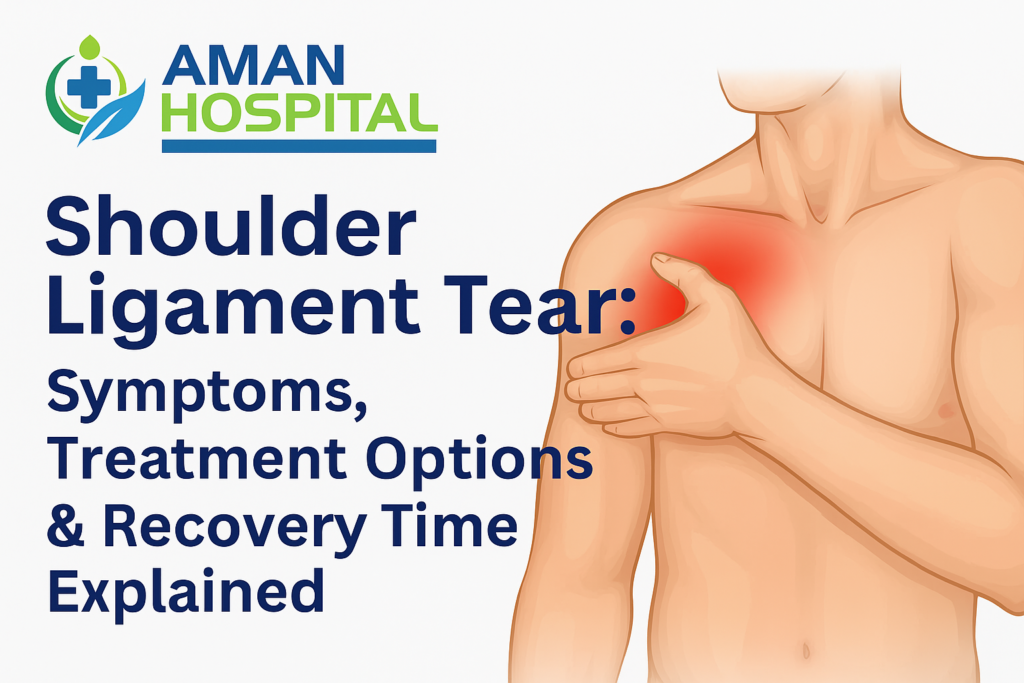
Introduction: Understanding Shoulder Ligament Tears
Ligaments are tough, fibrous tissues that connect bones and stabilize joints—especially important in the shoulder, one of the most mobile joints in the body. When these ligaments are damaged, it leads to a shoulder ligament injury that can significantly impair movement and quality of life.
👉 What is ligament tear?
It refers to the overstretching or tearing of ligaments, often caused by trauma, falls, or repetitive strain.
👉 A shoulder ligament tear may result in:
- Sharp pain and restricted motion
- Swelling and weakness
- Difficulty lifting or rotating the arm
In this blog, we’ll cover:
- Shoulder ligament tear symptoms
- Shoulder ligament tear treatment options
- Torn ligament in shoulder treatment approaches
- Shoulder ligament injury treatment and care
- Expected shoulder ligament tear recovery time
What is a Shoulder Ligament Tear?
A shoulder ligament tear occurs when one or more ligaments in the shoulder joint are stretched beyond their limit or torn due to injury. Ligaments are the tough, elastic tissues that connect bones and help stabilize the joint. When they tear, it results in a painful shoulder ligament injury that can impact movement and overall joint function.
👉 How is it different from muscle or tendon injuries?
While tendons connect muscles to bones and help with movement, ligaments connect bones to each other and ensure stability. A ligament tear compromises the joint’s integrity, whereas a tendon or muscle injury affects strength and motion.
👉 Common causes of shoulder ligament tears include:
- Sudden trauma (like a fall or accident)
- Overuse or repetitive shoulder motion
- High-impact sports injuries
Understanding what is ligament tear is the first step in addressing the problem. Timely diagnosis and proper shoulder ligament tear treatment or torn ligament in shoulder treatment can prevent long-term issues. In the next sections, we’ll explore symptoms, shoulder ligament injury treatment, and shoulder ligament tear recovery time.
Common Symptoms of Shoulder Ligament Tear
Recognizing the early signs of a shoulder ligament tear is essential for timely treatment and preventing further damage. The symptoms may vary based on the severity of the injury but often include:
🔹 Sharp Pain in the Shoulder: A sudden, intense pain usually occurs right after the injury, especially during movement or lifting.
🔹 Swelling and Bruising: Inflammation and visible bruising may develop within hours, signaling internal damage.
🔹 Limited Mobility or Stiffness: The shoulder may feel weak, stiff, or difficult to move, especially during overhead activities.
🔹 Popping or Grinding Sound: Some people may hear or feel a popping sensation at the time of injury or when trying to move the arm.
These shoulder ligament tear symptoms can disrupt daily tasks like dressing, lifting objects, or sleeping on the affected side.
👉 When to Seek Medical Help:
If pain persists, range of motion is limited, or swelling worsens, consult a specialist immediately for accurate diagnosis and to begin proper shoulder ligament tear treatment.
Diagnosis: How is a Shoulder Ligament Tear Identified?
Diagnosing a shoulder ligament tear begins with a thorough physical examination, where a doctor checks for pain points, swelling, and range of motion. If a ligament injury is suspected, imaging tests help confirm the extent of the damage. At specialized centers like best orthopedic in Gurgaon, such assessments are often supported by multidisciplinary teams. In complex cases, consultations may also involve experts from other departments like the best gynecologist in Gurgaon for related musculoskeletal concerns in women, or referrals to the Best Physiotherapy Hospitals in Gurgaon for personalized rehabilitation plans.
🔍 Common diagnostic tools include:
- X-rays – to rule out bone fractures
- MRI scans – to detect soft tissue injuries like ligament tears
- Ultrasound – to assess real-time ligament function
Early diagnosis is critical to avoid long-term complications such as chronic instability or arthritis. Once confirmed, the doctor can recommend appropriate shoulder ligament tear treatment to promote healing and restore shoulder function.
Treatment Options for Shoulder Ligament Tear
Treatment for a shoulder ligament tear depends on the severity of the injury. Both non-surgical and surgical approaches are used to ensure full recovery.
🔹 Non-Surgical Treatments:
- R.I.C.E. Therapy: Rest, Ice, Compression, and Elevation help reduce pain and inflammation in the early stages.
- Anti-inflammatory Medications: Over-the-counter drugs like ibuprofen can ease swelling and discomfort.
- Physiotherapy: A tailored rehab program strengthens surrounding muscles, improves joint mobility, and prevents stiffness.
These conservative methods are ideal for mild to moderate shoulder ligament injury treatment.
🔹 Surgical Treatments:
- Arthroscopic Surgery: A minimally invasive technique used to repair torn ligaments and remove damaged tissue.
- Ligament Reconstruction: Recommended for complete tears or if conservative methods fail. It involves grafting tissue to rebuild the ligament structure.
Surgery is usually followed by a structured rehab plan to ensure a successful recovery. Choosing the right torn ligament in shoulder treatment improves healing outcomes and shortens shoulder ligament tear recovery time.
Recovery Time & Rehabilitation Process
The shoulder ligament tear recovery time varies depending on the severity of the injury and the type of treatment received.
🕒 Typical recovery timelines:
- Mild tears: 2–6 weeks with rest and physiotherapy
- Moderate tears: 6–12 weeks with structured rehab
- Severe tears (post-surgery): 3–6 months or more for full functional recovery
Physiotherapy plays a crucial role throughout the recovery process. It helps reduce stiffness, rebuild strength, and improve flexibility in the shoulder joint. Therapists use a gradual approach, beginning with gentle range-of-motion exercises and progressing to strengthening routines.
💡 Follow-up care is essential.
Neglecting follow-up visits or skipping exercises can delay healing or cause chronic instability. A successful rehabilitation plan focuses not just on healing the ligament, but also on restoring full shoulder performance.
Adhering to the prescribed shoulder ligament tear treatment plan ensures faster healing, reduces the risk of re-injury, and improves long-term outcomes.
Tips for Preventing Shoulder Ligament Injuries
Prevention is always better than cure when it comes to shoulder ligament injuries. Following these tips can help minimize your risk:
✅ Warm-Up Before Activity
Always warm up before sports, workouts, or heavy lifting to prepare ligaments for stress.
✅ Strengthening Exercises
Build shoulder muscle strength to support and stabilize the joint.
✅ Maintain Good Posture
Avoid slouching and practice proper lifting techniques to reduce ligament strain.
✅ Use Protective Gear
In contact sports, wear proper gear to shield your shoulders from trauma.
These simple habits can greatly reduce the likelihood of facing a painful shoulder ligament tear in the future.
When to See a Specialist
If you experience persistent shoulder pain, swelling, or an inability to lift your arm, these could be signs of a serious shoulder ligament tear. Ignoring these symptoms may lead to long-term joint instability or damage. It’s important to consult an orthopedic specialist or sports medicine doctor who can provide accurate diagnosis and personalized shoulder ligament tear treatment. Specialized clinics offer advanced imaging, expert care, and tailored rehabilitation plans for complete recovery. Don’t delay—early intervention is key to preventing complications and regaining full shoulder function.
Conclusion
A shoulder ligament injury can significantly impact your mobility and quality of life. Recognizing the shoulder ligament tear symptoms, seeking timely treatment, and following a proper rehabilitation plan are critical for full recovery. Whether it’s mild discomfort or a torn ligament in the shoulder, early diagnosis can make all the difference. If you’re experiencing shoulder pain, consult a specialist today.
At Aman Hospital, our orthopedic experts are here to guide you through every step of your recovery.
Book your consultation now and get back to pain-free movement.
FAQs
Can a shoulder ligament tear heal itself?
Minor shoulder ligament tears can sometimes heal on their own with proper rest, ice, compression, and elevation (R.I.C.E), followed by physical therapy. However, moderate to severe tears usually require medical intervention to ensure full recovery and prevent chronic instability. Ignoring symptoms may worsen the damage over time. For accurate diagnosis and personalized treatment, consult orthopedic experts. At Aman Hospital Gurgaon, our specialists assess the severity of your tear and create a tailored recovery plan to promote healing—whether non-surgical or surgical, depending on your condition.
How long does it take to recover from a shoulder ligament tear?
Recovery from a shoulder ligament tear depends on the severity of the injury. Mild tears may heal within 2–6 weeks with conservative treatment, while moderate injuries can take 6–12 weeks. Severe tears, especially those requiring surgery, may need 3–6 months or more for full recovery. Physiotherapy is crucial throughout the healing process to restore strength and mobility. At Aman Hospital Gurgaon, we offer comprehensive care and rehabilitation programs to guide patients through every stage of recovery and ensure long-term shoulder stability and function.
Can a shoulder tear heal naturally?
Yes, some shoulder tears—particularly minor ligament or soft tissue injuries—can heal naturally over time with rest, ice, and physiotherapy. However, this depends on the type and severity of the tear. Complete ligament tears often don’t heal properly on their own and may require surgical repair. It’s important not to self-diagnose and to consult an orthopedic specialist. The team at Aman Hospital Gurgaon uses advanced imaging and diagnostic tools to determine if your injury can heal naturally or requires further treatment.
How to repair a torn shoulder ligament?
Repairing a torn shoulder ligament depends on how severely it’s damaged. Mild tears may only need R.I.C.E therapy, anti-inflammatory medications, and physiotherapy. For moderate to severe tears, arthroscopic surgery or ligament reconstruction might be recommended. These procedures help restore joint stability and prevent future injuries. Post-surgery rehabilitation is essential for complete recovery. At Aman Hospital Gurgaon, our orthopedic specialists use cutting-edge surgical techniques and individualized rehab plans to ensure that patients regain full shoulder function safely and efficiently.
Is shoulder ligament tear serious?
A shoulder ligament tear can be serious, especially if left untreated. Even mild tears can result in long-term pain, limited mobility, and joint instability. Severe or complete tears may cause the shoulder to dislocate easily and can lead to chronic conditions like arthritis. That’s why early diagnosis and treatment are vital. At Aman Hospital Gurgaon, our orthopedic experts evaluate the injury thoroughly and offer both non-surgical and surgical solutions to restore your shoulder’s health and prevent future complications.
What are the symptoms of a torn ligament in the shoulder?
Common symptoms of a torn shoulder ligament include sharp pain, swelling, and limited range of motion. You may also notice bruising around the joint, stiffness, and a popping or grinding sensation during movement. In severe cases, the shoulder may feel unstable or unable to bear weight. These symptoms often appear immediately after trauma or strain. If you’re experiencing any of these issues, it’s crucial to get an expert evaluation. Aman Hospital Gurgaon offers comprehensive diagnostics and treatment for shoulder ligament injuries.
How do I know if I tore a ligament in my shoulder?
You might have torn a shoulder ligament if you experience sudden shoulder pain after an injury, followed by swelling, bruising, or limited arm movement. A popping sound or a feeling of instability in the joint are also key indicators. Mild tears can mimic other injuries, so accurate diagnosis is crucial. Imaging tests like MRI or ultrasound are often needed to confirm the tear. At Aman Hospital Gurgaon, our orthopedic specialists provide expert evaluations to determine the exact nature of your shoulder injury.
What causes shoulder ligament tear?
Shoulder ligament tears are commonly caused by sudden trauma, such as falling on an outstretched arm, sports injuries, or direct blows to the shoulder. Repetitive overhead motions (common in athletes like swimmers or tennis players) can also lead to overuse injuries. Poor lifting techniques, weak shoulder muscles, or previous dislocations increase the risk. Understanding the root cause is essential for effective treatment. At Aman Hospital Gurgaon, we assess the underlying cause of your ligament tear to tailor a treatment and prevention plan specifically for you.