- Gurgaon Pataudi Road, Near Laxmi Furniture, Sector - 89, Gurugram - 122004 INDIA
- +91- 8826447707
- 0124500099
- amanhospital1829@gmail.com


Pelvic Pain in Women: Causes, Symptoms, Diagnosis, and Treatment Options

First Trimester of Pregnancy: Essential Tests and Care
August 19, 2026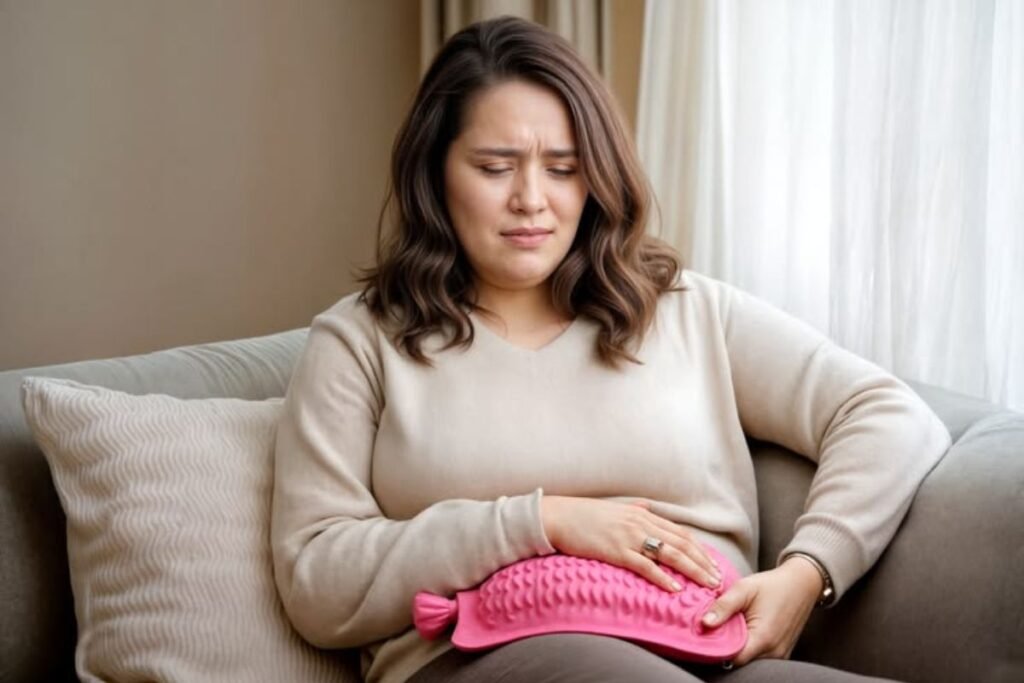
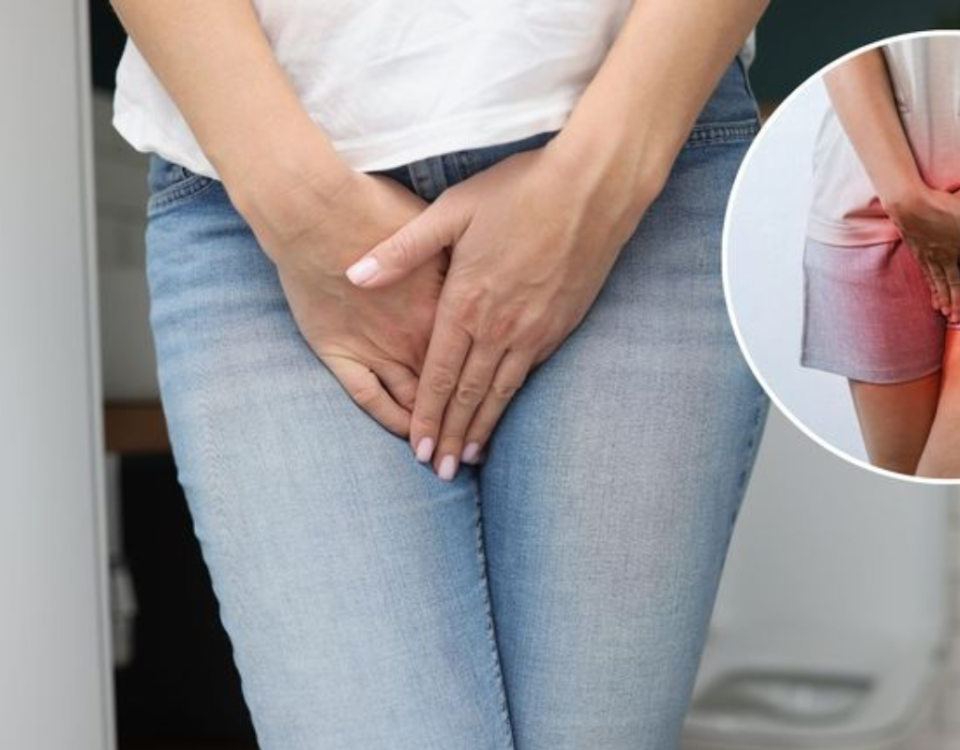
Pelvic pain is a symptom that many women experience at different stages of life. It can appear as a mild cramp before a period, a sudden sharp sensation, persistent pressure, or an uncomfortable ache that lasts for weeks. Although pelvic discomfort is sometimes linked to normal menstrual changes, it can also be associated with reproductive, urinary, digestive, or muscular conditions. Consulting the Best Gynecologist and Obstetrician in Gurgaon can help identify the underlying cause and provide appropriate guidance based on
Because the pelvis contains several organs and structures, finding the exact cause of pain is important. Understanding the pattern of symptoms can help women know when simple self-care may be appropriate and when professional medical evaluation is needed.
Understanding Pelvic Pain
The pelvis is the area below the abdomen and between the hip bones. It contains reproductive organs such as the uterus, ovaries, and fallopian tubes, as well as the bladder, bowel, pelvic floor muscles, nerves, and blood vessels.
Pelvic pain may be:
- Sudden or gradual
- Mild or severe
- Constant or occasional
- Located on one side or across the lower abdomen
- Related to menstruation or unrelated to the menstrual cycle
Some women experience pain only during certain activities, such as exercising, urinating, passing stool, or having sexual intercourse. Others may experience discomfort throughout the day.
The nature and timing of pain can provide useful clues about its possible cause.
Common Reasons Women Experience Pelvic Pain
Menstrual-Related Pain
For many women, pelvic discomfort occurs around their menstrual period. Hormonal changes cause the uterus to contract, which can result in cramping.
Period-related pain may begin shortly before bleeding starts and continue during the first few days of menstruation. Mild cramps often improve with rest, warmth, gentle movement, and suitable pain relief.
However, pain that is extremely severe, becomes worse over time, or prevents normal activities should not simply be accepted as a normal part of menstruation.
Endometriosis
Endometriosis is an important cause of recurring pelvic pain. In this condition, tissue resembling the uterine lining develops outside the uterus. Hormonal changes during the menstrual cycle can cause inflammation and irritation in these areas.
Symptoms may include:
- Painful periods
- Chronic pelvic discomfort
- Pain during or after intercourse
- Pain while passing stool
- Lower back pain
- Difficulty becoming pregnant
Treatment depends on symptom severity and individual circumstances. Hormonal treatment, pain management, lifestyle measures, and surgical approaches may be considered.
Adenomyosis
Adenomyosis occurs when tissue similar to the uterine lining grows into the muscular wall of the uterus. It can lead to an enlarged or tender uterus and may cause painful or heavy periods.
Women may experience pelvic heaviness, prolonged menstrual bleeding, cramping, or discomfort between periods.
Treatment can range from medication and hormonal therapy to procedures or surgery when symptoms are severe.
Ovarian Cysts
The ovaries naturally develop small structures during the menstrual cycle, and some can become cysts. Most ovarian cysts are harmless and disappear without treatment.
Larger or complicated cysts may cause:
- One-sided pelvic pain
- Abdominal pressure
- Bloating
- Pain during intercourse
- Changes in menstruation
A sudden onset of intense pelvic pain, especially with nausea or vomiting, needs urgent medical assessment because complications such as ovarian torsion or cyst rupture can occur.
Pelvic Inflammatory Disease
Pelvic inflammatory disease is an infection affecting the upper female reproductive organs. It may develop when certain infections spread from the vagina or cervix toward the uterus, fallopian tubes, or ovaries.
Possible symptoms include lower abdominal pain, abnormal vaginal discharge, painful intercourse, irregular bleeding, fever, or discomfort during urination.
Prompt treatment is important because untreated PID can result in complications, including damage to the reproductive organs and fertility problems.
Urinary Causes
The urinary system can also be responsible for pelvic discomfort. Urinary tract infections may cause pressure or pain in the lower abdomen along with frequent urination, urgency, burning, or changes in urine.
Kidney or bladder stones may produce more intense pain, sometimes extending toward the back or side.
The appropriate treatment depends on the specific urinary condition, so persistent urinary symptoms should be medically assessed.
Digestive Conditions
The bowel is located within the pelvic and lower abdominal region, meaning digestive problems can sometimes feel like gynecological pain.
Constipation, trapped gas, irritable bowel syndrome, inflammatory bowel conditions, and other gastrointestinal problems may cause abdominal or pelvic discomfort.
Paying attention to associated digestive symptoms, including bloating, diarrhea, constipation, or changes in bowel habits, can help identify the source.
Pelvic Floor Dysfunction
The pelvic floor consists of muscles that support several pelvic organs. These muscles can become overly tight, weak, or poorly coordinated.
Pelvic floor dysfunction may cause chronic pelvic discomfort, pain during intercourse, difficulty emptying the bladder or bowel, or a feeling of pressure in the pelvic region.
Physical therapy specifically designed for pelvic floor problems can sometimes help improve muscle function and reduce symptoms.
Pelvic Pain During Sexual Intercourse
Pain during sexual intercourse is sometimes called dyspareunia. It can occur because of vaginal dryness, infections, pelvic floor muscle tension, endometriosis, ovarian cysts, fibroids, or other gynecological conditions.
Women should not feel that painful intercourse is something they simply have to tolerate. Repeated discomfort deserves medical evaluation because identifying and treating the underlying cause may improve both physical comfort and quality of life.
Pelvic Pain During Pregnancy
Pregnancy causes significant changes in the uterus, ligaments, muscles, and other pelvic structures. Mild aches or pressure can sometimes occur as the body adapts.
However, pelvic pain during pregnancy should be assessed when it is severe, persistent, sudden, or accompanied by bleeding, dizziness, fever, fluid leakage, or other concerning symptoms.
Certain pregnancy complications can cause pelvic or abdominal pain and require immediate medical attention.
How Doctors Find the Cause
There is no single test that explains every case of pelvic pain. A healthcare professional generally begins by discussing the patient’s symptoms and medical history.
Important questions may include:
- When did the pain begin?
- Where exactly is it located?
- Does it occur during menstruation?
- Is the pain constant or intermittent?
- Does intercourse make it worse?
- Are there urinary or bowel symptoms?
- Is there abnormal bleeding or discharge?
- Could pregnancy be possible?
Depending on the situation, the evaluation may include a physical or pelvic examination, urine testing, pregnancy testing, blood tests, infection screening, or ultrasound.
Additional imaging or specialist investigations may be recommended when necessary.
Treatment Depends on the Cause
There is no universal treatment for pelvic pain. The right approach depends on the diagnosis.
Medicines
Pain-relieving medicines may be useful for certain types of discomfort. Hormonal medicines may help with some menstrual or endometriosis-related symptoms, while antibiotics may be prescribed for specific bacterial infections.
Medication should be used according to professional advice, particularly when pain is persistent or unexplained.
Lifestyle Measures
For some women, simple lifestyle measures can support symptom management. These may include:
- Gentle physical activity
- Adequate rest
- Applying comfortable warmth
- Maintaining regular bowel habits
- Staying adequately hydrated
- Identifying foods that worsen digestive symptoms
- Tracking menstrual and pain patterns
These measures may provide relief but should not replace medical treatment when an underlying condition requires it.
Hormonal Therapy
Hormonal treatments can reduce symptoms associated with certain gynecological conditions. Depending on the individual, options may include hormonal contraceptives or other hormone-based medicines.
A healthcare professional should determine whether hormonal therapy is suitable.
Pelvic Floor Therapy
When pelvic muscle dysfunction contributes to pain, specialized physiotherapy may help. Treatment can involve relaxation techniques, stretching, strengthening, posture correction, breathing exercises, and other individualized methods.
Surgical Treatment
Surgery may be considered when structural problems cause significant symptoms or when other treatments have not provided sufficient relief.
Depending on the diagnosis, procedures may be used to treat certain ovarian cysts, fibroids, endometriosis, or other pelvic conditions.
Keeping a Pelvic Pain Diary
One useful step is to record symptoms before visiting a healthcare professional. A simple diary can include:
- Date and duration of pain
- Pain intensity
- Exact location
- Menstrual cycle day
- Food or bowel changes
- Urinary symptoms
- Sexual activity and related discomfort
- Medications taken
- Other symptoms such as fever or discharge
This information can help reveal patterns that may otherwise be difficult to remember during an appointment.
When Pelvic Pain Needs Urgent Attention
Some pelvic pain requires immediate medical evaluation rather than waiting for a routine appointment.
Seek urgent care for sudden or severe pelvic pain, particularly when it occurs with heavy bleeding, fainting, severe dizziness, fever, persistent vomiting, or pregnancy.
Sudden severe pain on one side of the pelvis may also require urgent assessment because certain ovarian conditions can develop rapidly.
Can Pelvic Pain Be Prevented?
Some causes cannot be completely prevented, but maintaining good reproductive and general health can reduce certain risks.
Women can support their health by attending appropriate gynecological checkups, practicing safer sex, seeking treatment for infections early, maintaining physical activity, eating a balanced diet, and discussing persistent menstrual symptoms with a healthcare professional.
It is also important not to ignore recurring pelvic pain simply because it occurs around menstruation. A repeated pattern may provide an important clue to an underlying condition.
Final Thoughts
Pelvic pain is not a single disease but a symptom with many possible explanations. Menstrual cramps, endometriosis, adenomyosis, ovarian cysts, fibroids, pelvic infections, urinary problems, digestive disorders, and pelvic floor dysfunction can all contribute to discomfort.
The location, timing, severity, and accompanying symptoms can help guide diagnosis, but they cannot always determine the cause on their own. Persistent or unexplained pain deserves professional evaluation rather than repeated self-treatment. A General Surgery Hospital in Gurgaon can provide appropriate diagnostic evaluation when pelvic pain may require further medical or surgical assessment.
Recognizing changes early and seeking appropriate care can help identify the underlying problem and make effective treatment possible. Women should remember that ongoing pelvic pain is worth discussing with a qualified healthcare professional, especially when it interferes with everyday life, relationships, sleep, or emotional well-being.