- Gurgaon Pataudi Road, Near Laxmi Furniture, Sector - 89, Gurugram - 122004 INDIA
- +91- 8826447707
- 0124500099
- amanhospital1829@gmail.com

First Trimester of Pregnancy: Essential Tests and Care

Pregnancy After 35: Important Things Women Should Know
August 11, 2026
Pelvic Pain in Women: Causes, Symptoms, Diagnosis, and Treatment Options
August 20, 2026
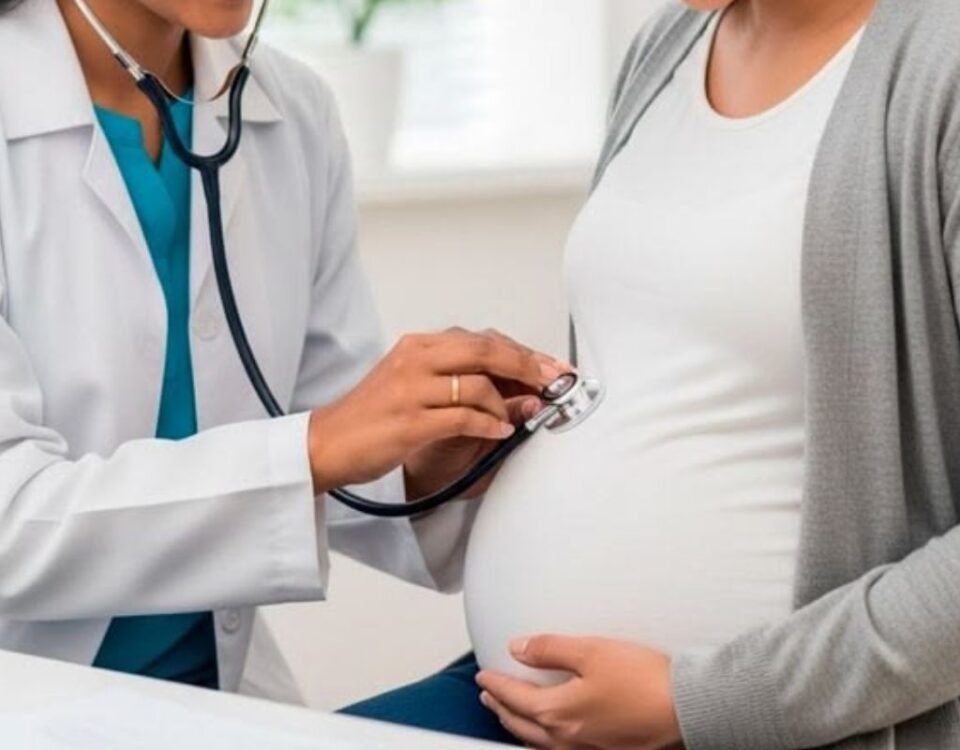
The first three months of pregnancy are a period of rapid development and major changes in the mother’s body. From the moment pregnancy is confirmed, several physical, hormonal, and emotional changes begin. Consulting the Best Gynecologist and Obstetrician in Gurgaon can help expectant mothers understand these changes and receive appropriate guidance. This is also the stage when the foundation for the baby’s major organs and body systems is established. For this reason, early and regular prenatal care is an important part of a healthy pregnancy.
Knowing which first trimester pregnancy tests may be recommended, understanding why they are performed, and following appropriate precautions can help an expectant mother make informed decisions. Although many pregnancy experiences are normal, every woman and pregnancy is different, so medical recommendations should always be personalized.
What Happens During the First Trimester?
The first trimester usually extends from week 1 through week 12 or 13. Interestingly, pregnancy is generally counted from the first day of the last menstrual period, meaning the first couple of weeks are included even though conception has not yet occurred.
During these early weeks:
- The fertilized egg implants in the uterus.
- The placenta begins developing.
- The embryo starts forming major organs.
- The neural tube develops into structures that become the brain and spinal cord.
- The heart and circulatory system begin developing.
- The limbs, facial structures, and other body parts gradually take shape.
At the same time, pregnancy hormones increase significantly. These hormonal changes are responsible for many early symptoms.
Common Changes During Early Pregnancy
Not every woman experiences the same symptoms. Some may have several symptoms, while others may experience very few.
Common changes include:
Morning Sickness
Nausea, with or without vomiting, is common during early pregnancy. Despite its name, it can occur at any time of the day.
Eating small meals, staying hydrated, getting adequate rest, and identifying foods or smells that trigger nausea may help.
If vomiting becomes severe and you cannot keep liquids down, contact your healthcare provider.
Extreme Tiredness
Increasing progesterone levels can contribute to significant fatigue. The body is also working to support the developing placenta and pregnancy.
Adequate sleep, short periods of rest, nutritious meals, and gentle activity may help manage tiredness.
Breast Changes
Breasts may become tender, swollen, or more sensitive. The nipples and surrounding area may also become darker because of hormonal changes.
Frequent Urination
Increased blood flow to the kidneys and hormonal changes can cause more frequent urination. Later in pregnancy, pressure from the growing uterus can contribute further.
Burning or pain while urinating should not be ignored because it may indicate an infection.
First Trimester Prenatal Care: What to Expect
A first prenatal appointment is more than simply confirming pregnancy. Your healthcare provider may review your overall health and identify factors that could affect pregnancy.
The appointment may include:
- Medical and pregnancy history
- Blood pressure measurement
- Weight assessment
- Physical examination when appropriate
- Review of current medications
- Blood and urine investigations
- Discussion of nutrition
- Estimated due-date assessment
- Screening recommendations
- Discussion of vaccinations
- Advice regarding exercise and daily activities
Your doctor may also ask about previous pregnancies, surgeries, allergies, chronic illnesses, and family medical history.
Providing accurate information helps your healthcare team develop an appropriate care plan.
Important First Trimester Tests
The specific investigations recommended can vary. Some are routine, while others are offered depending on individual risk factors.
Blood Group and Rh Testing
Knowing the mother’s blood group and Rh status is an important part of prenatal assessment.
If a woman is Rh-negative, her healthcare provider may discuss additional monitoring and preventive treatment depending on the circumstances.
Complete Blood Count
A complete blood count can provide information about red blood cells, white blood cells, and platelets. It can help identify anemia and other blood-related concerns.
Anemia is relatively common during pregnancy, and your doctor may recommend dietary changes or supplements when appropriate.
Blood Sugar Testing
Blood glucose may be checked as part of pregnancy care. The timing and type of testing can differ depending on personal risk factors and local clinical guidelines.
Women with certain risk factors may require earlier assessment.
Infection Screening
Prenatal care commonly includes screening for selected infections because some infections can affect pregnancy or the developing baby.
Depending on local recommendations and individual circumstances, screening may include conditions such as HIV, hepatitis B, syphilis, and other infections.
Early identification allows appropriate counseling, monitoring, and treatment when available.
Pregnancy Tests in First Trimester: Ultrasound
Ultrasound is one of the most useful tools during early pregnancy. It uses sound waves to create images and does not use ionizing radiation.
An early ultrasound may help healthcare professionals determine:
- Whether the pregnancy is located inside the uterus
- Gestational age
- Number of pregnancies
- Fetal development
- Cardiac activity when visible at the relevant stage
- Possible causes of pain or bleeding
The timing of an ultrasound depends on the reason for the scan and the healthcare provider’s recommendation.
Nuchal Translucency Screening
A nuchal translucency ultrasound may be performed during a specific period of the first trimester. It measures the fluid at the back of the fetal neck and may be combined with maternal blood testing to estimate the likelihood of certain chromosomal conditions.
It is important to understand that this is a screening assessment, not a diagnostic test.
Genetic Screening Options
Some expectant parents may be offered prenatal genetic screening.
Depending on gestational age and individual circumstances, options can include:
- First-trimester combined screening
- Cell-free DNA screening or NIPT
- Carrier screening for selected inherited conditions
- Diagnostic procedures when medically indicated
Screening results do not necessarily mean that a baby definitely has a particular condition. An abnormal screening result may require additional counseling or diagnostic testing.
A healthcare professional can explain the difference between screening and diagnostic tests before a decision is made.
Nutrition During the First Trimester
Nutrition plays an important role in supporting pregnancy. Instead of focusing only on eating more food, concentrate on food quality and nutritional variety.
A balanced diet can include:
- Fresh fruits and vegetables
- Whole grains
- Lentils, beans, and pulses
- Eggs and well-cooked protein sources
- Milk and pasteurized dairy products
- Nuts and seeds where suitable
- Adequate water
Importance of Folic Acid
Folic acid is particularly important during the early weeks because it supports neural tube development.
Ideally, folic acid supplementation begins before conception, but women who discover they are pregnant should speak with their healthcare provider about appropriate supplementation rather than delaying care.
Do not take high-dose supplements unless they have been recommended by a healthcare professional.
Food Safety Precautions
Pregnancy can increase the importance of avoiding foodborne infections.
Basic precautions include:
- Wash produce thoroughly.
- Cook meat and eggs properly.
- Avoid foods that are raw or undercooked when they pose an infection risk.
- Choose pasteurized milk and dairy products.
- Keep raw and cooked foods separate.
- Refrigerate perishable food appropriately.
- Wash hands before preparing or eating food.
These simple practices can reduce exposure to certain bacteria and parasites.
Medicines and Supplements
One of the most important precautions during early pregnancy is avoiding self-medication.
A medicine that is commonly used outside pregnancy may not be appropriate during pregnancy. This includes some painkillers, cold medicines, acne treatments, herbal products, and supplements.
Before starting anything new, tell your doctor that you are pregnant.
At the same time, do not suddenly discontinue prescribed medication without professional advice. Some medicines may be necessary to control an existing condition safely during pregnancy.
Physical Activity and Exercise
Pregnancy does not necessarily mean avoiding all exercise.
For many women with uncomplicated pregnancies, appropriate physical activity can support general fitness and well-being. Walking, swimming, and pregnancy-appropriate exercises may be suitable.
However, activities involving a high risk of falling, abdominal trauma, or overheating may need to be avoided or modified.
Your doctor can advise you based on your pregnancy and health history.
Early Pregnancy Precautions at Work and Home
Daily routines may need minor adjustments during pregnancy.
If your work involves:
- Heavy lifting
- Prolonged standing
- Exposure to chemicals
- Radiation
- Extreme heat
- Physically demanding tasks
discuss your working conditions with your healthcare provider.
At home, maintain good ventilation when using cleaning products and follow product safety instructions. Avoid unnecessary exposure to strong chemicals.
Travel During the First Trimester
Many women can travel during early pregnancy, but travel plans should take personal health and pregnancy circumstances into account.
For longer journeys:
- Drink enough water.
- Take regular movement breaks.
- Wear comfortable clothing.
- Keep necessary medical records accessible.
- Carry prescribed medicines.
- Know where medical care is available at your destination.
If you have bleeding, severe vomiting, significant pain, or pregnancy complications, speak with your doctor before traveling.
Vaccination and Pregnancy
Some vaccinations may be recommended during pregnancy, while others may be avoided or timed differently.
Do not assume that every vaccine is appropriate or inappropriate simply because you are pregnant. Discuss your vaccination history and current recommendations with your healthcare provider.
This is particularly important when traveling or when you may have increased exposure to certain infections.
Emotional Well-Being Is Also Important
Pregnancy affects mental and emotional well-being as well as physical health.
Changes in hormones, uncertainty about the pregnancy, tiredness, and concerns about the future can contribute to emotional stress.
Talking openly with your partner, family, or healthcare provider can be helpful. If feelings of sadness, anxiety, hopelessness, or emotional distress become persistent or interfere with daily life, discuss them with a healthcare professional.
Mental well-being is an important part of prenatal care.
Warning Signs That Need Medical Attention
Certain symptoms should not be dismissed as normal pregnancy discomfort.
Contact a healthcare professional promptly if you experience:
- Heavy vaginal bleeding
- Severe abdominal or pelvic pain
- Persistent vomiting with inability to drink fluids
- Fever
- Fainting
- Severe weakness
- Difficulty breathing
- Chest pain
- Significant dizziness
- Painful urination with fever or other concerning symptoms
The appropriate response depends on the severity of the symptoms. Severe or rapidly worsening symptoms may require urgent medical evaluation.
A Practical First-Trimester Routine
A simple routine can help you stay organized:
Morning:
Take prescribed supplements, eat a nutritious breakfast, and drink water.
During the day:
Eat balanced meals, remain physically active as advised, and take breaks when tired.
Evening:
Prepare for adequate sleep and avoid unnecessary screen or work-related stress before bedtime.
Throughout the trimester:
Attend scheduled appointments, complete recommended investigations, and maintain communication with your healthcare provider.
Questions to Ask Your Doctor
Before or during prenatal appointments, consider asking:
- Which tests do I need during the first trimester?
- When should my first ultrasound be performed?
- Which supplements should I take?
- Are my current medicines safe?
- What foods should I avoid?
- What level of exercise is suitable for me?
- Can I travel safely?
- Which symptoms require immediate medical attention?
- Do I need genetic or carrier screening?
- When is my next prenatal appointment?
Writing these questions down can help ensure that important concerns are not forgotten.
Final Thoughts
The first trimester establishes the foundation for the rest of pregnancy. Regular medical supervision, appropriate screening, good nutrition, safe activity, and careful attention to symptoms can help support maternal and fetal health.
Understanding first trimester pregnancy tests allows expectant parents to know what different investigations may be looking for, while following appropriate early pregnancy precautions can reduce avoidable risks. If any surgical concern or unrelated health issue requires medical attention during pregnancy, a General Surgery Hospital in Gurgaon may provide appropriate evaluation and coordinated care. Similarly, understanding the purpose of screening and maintaining regular first trimester prenatal care can make the early months more organized and less stressful.
There is no single checklist that applies perfectly to every pregnancy. Your healthcare provider can determine which pregnancy tests in first trimester are appropriate for you based on your health, pregnancy history, symptoms, and individual risk factors. The most important step is to begin prenatal care early and maintain regular communication with your medical team.