- Gurgaon Pataudi Road, Near Laxmi Furniture, Sector - 89, Gurugram - 122004 INDIA
- +91- 8826447707
- 0124500099
- amanhospital1829@gmail.com


Natural Remedies for Severe Menstrual Pain: What Actually Works

Recovery After Laparoscopic Surgery: A Complete Guide to Healing Faster
July 29, 2026
What Your Vaginal Discharge Is Trying to Tell You: A Complete Guide
August 8, 2026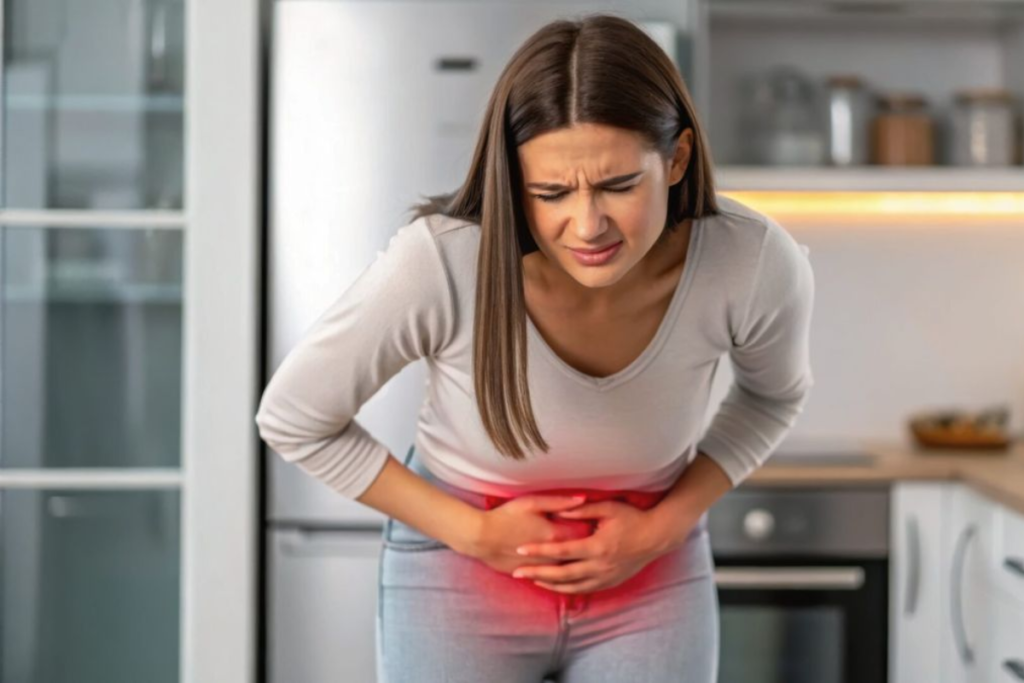
If you deal with severe menstrual pain every month, you’ve probably already tried the basics — a heating pad, maybe some ibuprofen, and waiting it out. But when period cramps are intense enough to interfere with your daily life, it’s worth understanding not just what to try, but why certain remedies work, and when natural approaches aren’t enough on their own.
Many people cycle through remedies somewhat randomly — trying whatever a friend recommended or whatever shows up first in a search — without understanding the mechanism behind their pain. Menstrual cramps aren’t random; they follow a predictable biological process, and consulting a Best Gynecologist and Obstetrician in Gurgaon can help you better understand the underlying cause and choose appropriate treatment options. Knowing how that process works can help you choose remedies more strategically, rather than through trial and error alone.
This guide breaks down evidence-based natural strategies for managing dysmenorrhea, along with guidance on when home remedies should be paired with — or replaced by — medical treatment.
Why Natural Remedies Can Help (and Their Limits)
Menstrual cramps are largely driven by prostaglandins, hormone-like compounds that cause the uterus to contract as it sheds its lining. Many natural remedies work by either reducing prostaglandin production, relaxing uterine muscles, or easing the body’s broader inflammatory response.
That said, natural remedies work best for primary dysmenorrhea — pain without an underlying condition. If your pain doesn’t improve with these approaches, or keeps getting worse, it may be a sign of secondary dysmenorrhea caused by something like endometriosis or fibroids, which typically require medical evaluation and treatment beyond home care.
It’s also worth noting that natural remedies and medical treatments like NSAIDs aren’t mutually exclusive. Many people find the most relief by combining approaches — for example, using heat therapy alongside an NSAID, or pairing dietary changes with hormonal treatment for a diagnosed condition. Thinking of natural remedies as one part of a broader toolkit, rather than an all-or-nothing choice, tends to produce better results than relying on any single approach alone.
Heat Therapy
Heat is one of the most well-studied natural remedies for period pain, and for good reason. Applying a heating pad or hot water bottle to the lower abdomen relaxes the uterine muscle and improves blood flow to the area, which can ease cramping intensity. Some research has found heat therapy to be comparable in effectiveness to over-the-counter pain relievers like NSAIDs for mild-to-moderate pain.
For best results, apply heat at the first sign of cramping rather than waiting until pain peaks, and consider combining it with other remedies on this list for a more complete approach. Some people find that wearable heat patches, which can be worn discreetly under clothing throughout the workday, offer a more practical option than a traditional heating pad when they need to stay mobile.
It’s worth noting that while heat therapy is highly effective for muscle-related cramping, it addresses the symptom rather than the underlying cause. If prostaglandin levels are especially high, or if pain stems from a condition like endometriosis, heat alone may only take the edge off rather than provide full relief.
Movement and Gentle Exercise
It might be the last thing you feel like doing, but light physical activity — walking, stretching, or gentle yoga — can meaningfully reduce cramp severity for many people. Exercise increases blood circulation, releases endorphins that act as natural pain relievers, and may help regulate prostaglandin levels over time.
You don’t need an intense workout. Even 20–30 minutes of low-impact movement during your period can make a noticeable difference for some people, while more strenuous exercise can be reserved for days when you’re feeling up to it. Activities like walking, swimming, or restorative yoga tend to be the most commonly recommended, since they support circulation without placing additional strain on an already-sensitive abdominal area.
Consistency matters more than intensity here. Building a regular movement habit throughout your entire cycle — not just during your period — appears to have a more meaningful long-term effect on cramp severity than occasional exercise attempted only when pain has already set in.
Dietary Adjustments
What you eat in the days leading up to and during your period may influence how severe your cramps feel:
- Reduce salt and caffeine – both can contribute to bloating and tension, which may worsen cramping discomfort
- Increase anti-inflammatory foods – leafy greens, fatty fish, berries, and nuts may help counter the inflammatory effects of prostaglandins
- Stay hydrated – dehydration can worsen bloating and muscle tension
- Consider magnesium-rich foods – such as dark chocolate, spinach, and almonds, which may help relax uterine muscle
While diet alone rarely eliminates severe pain, consistent anti-inflammatory eating habits over several cycles may contribute to gradual improvement. Some people also find it helpful to track their food intake alongside their cycle for a few months, since certain triggers — like high sodium or sugar intake in the days before a period — can be individual rather than universal.
Herbal and Supplement Options
Several supplements have some research support for reducing menstrual pain, though it’s worth talking to a doctor before starting any new supplement, especially if you’re also taking medication like NSAIDs or hormonal birth control:
- Ginger – has shown effectiveness comparable to some pain relievers in a few small studies, likely due to its anti-inflammatory properties
- Magnesium – may help relax uterine muscle and reduce cramp intensity
- Omega-3 fatty acids – linked to reduced inflammation and, in some studies, lower prostaglandin levels
- Vitamin B1 (thiamine) – some research suggests it may reduce pain severity when taken regularly
These aren’t quick fixes — most show benefit only with consistent use over multiple cycles, unlike NSAIDs, which work within a single dose. It’s generally recommended to give a supplement at least two to three menstrual cycles before evaluating whether it’s making a meaningful difference, since prostaglandin-related inflammation tends to shift gradually rather than immediately in response to dietary changes.
Stress Management and Sleep
Chronic stress and poor sleep don’t just affect your mood — they can also amplify how intensely pain is perceived, including menstrual cramps. This happens partly because stress hormones can influence inflammation levels in the body, and partly because pain perception itself is heavily influenced by nervous system state; a body under chronic stress is often more sensitized to pain signals overall.
Practices like deep breathing, meditation, or simply prioritizing consistent sleep in the days before your period may help take the edge off pain severity, particularly when combined with other remedies. Even small changes, like winding down screen time before bed during the days leading up to your period, can support better sleep quality when your body may already be more sensitive to discomfort.
When Natural Remedies Aren’t Enough
Home remedies can meaningfully reduce mild-to-moderate menstrual pain, but they have limits. It’s time to move beyond natural approaches and see a doctor if:
- Pain remains severe despite consistent use of heat, movement, and NSAIDs
- Cramps are getting progressively worse over time rather than staying stable
- You experience heavy bleeding, large clots, or periods lasting more than seven days
- Pain occurs outside your period, such as during sex or bowel movements
- Over-the-counter NSAIDs no longer provide relief
These patterns can point toward endometriosis, fibroids, or another underlying condition that natural remedies alone won’t resolve. A proper diagnosis opens the door to more targeted treatment — including medical or hormonal options — that can offer far more relief than home care alone.
Conclusion
Natural remedies like heat therapy, movement, dietary changes, and certain supplements can be genuinely effective tools for managing menstrual pain, especially when used consistently and in combination. But they work best as part of a broader strategy — not a replacement for medical care when pain is severe, worsening, or resistant to treatment. If persistent or severe pain requires further evaluation, a General Surgery Hospital in Gurgaon can provide appropriate medical assessment and guidance. Listening to your body and knowing when to seek professional input is just as important as any remedy on this list.