- Gurgaon Pataudi Road, Near Laxmi Furniture, Sector - 89, Gurugram - 122004 INDIA
- +91- 8826447707
- 0124500099
- amanhospital1829@gmail.com


Women’s Health: From PCOS to Menopause

World No Tobacco Day by Dr. Shweta Hasija: Choose Health, Reject Tobacco
May 30, 2026
What Diet Plan Should You Follow During Monthly Cramps?
June 17, 2026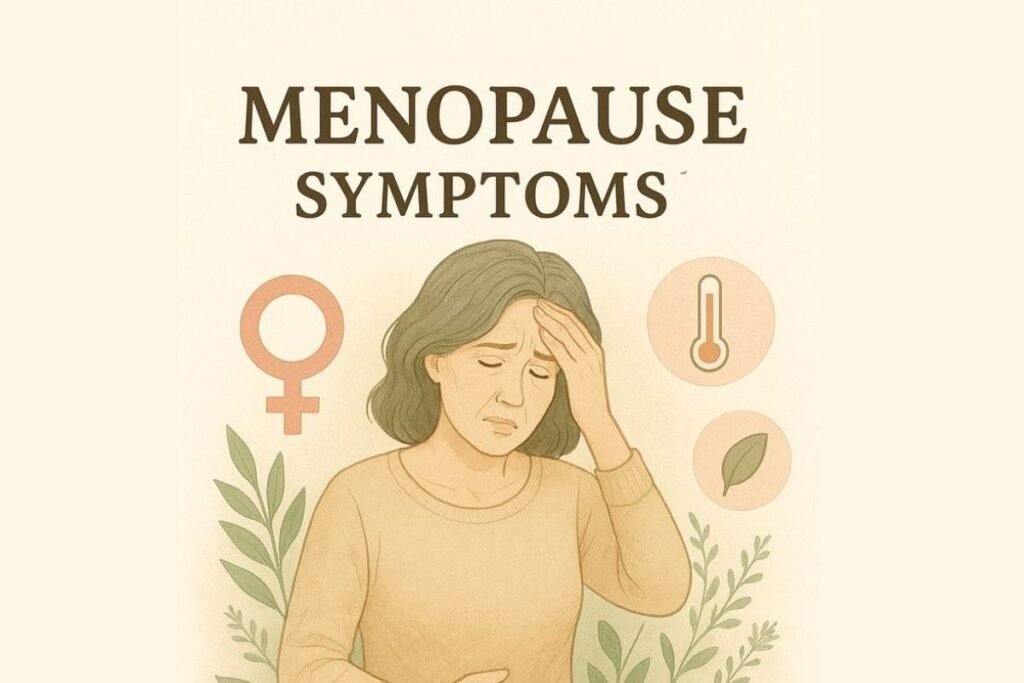
Women’s health is a vast and deeply personal subject. From the moment a girl enters puberty to the years beyond menopause, her body undergoes remarkable changes that require attention, care, and understanding.
Whether you are navigating the world of obstetrics during pregnancy, managing a chronic condition like endometriosis or PCOS, or staying on top of your cervical screening, knowledge is your most powerful tool. Seeking guidance from the Best Gynecologist and Obstetrician in Gurgaon can help ensure timely diagnosis, personalized treatment, and comprehensive care at every stage of a woman’s life.
From routine check-ups and reproductive health concerns to pregnancy care and menopause management, staying informed empowers women to make confident decisions about their health and well-being.
This comprehensive guide walks you through five of the most important pillars of gynecological health — helping you understand your body, recognize warning signs, and make informed decisions about your care.
Understanding Obstetrics: The Science of Pregnancy and Childbirth
Obstetrics is the branch of medicine that focuses on pregnancy, labor, childbirth, and the postpartum period. An obstetrician works hand in hand with a gynecologist — in fact, many doctors are trained in both fields and are referred to as OB-GYNs.
If you are pregnant or planning to become pregnant, obstetrics plays a central role in keeping both you and your baby safe throughout the journey. Your obstetric care typically begins with your first prenatal visit, which should ideally happen within the first 8 weeks of pregnancy.
What Does Obstetric Care Include?
During your pregnancy, obstetric care involves:
- Prenatal checkups — Regular visits to monitor fetal development, blood pressure, weight, and overall health.
- Ultrasound scans — To track the growth of the baby and detect any abnormalities early.
- Blood and urine tests — To screen for conditions like gestational diabetes, anemia, and infections.
- Labor and delivery support — From natural births to cesarean sections, obstetrics covers all modes of delivery.
- Postpartum care — Monitoring the mother’s recovery, mental health, and breastfeeding support after birth.
Modern obstetrics has dramatically reduced maternal and infant mortality rates around the world. Regular obstetric visits are not just recommended — they are essential for a safe pregnancy.
Endometriosis: The Silent Condition Millions of Women Live With
Endometriosis is a chronic gynecological condition in which tissue similar to the lining of the uterus (the endometrium) grows outside the uterus. This tissue can appear on the ovaries, fallopian tubes, the outer surface of the uterus, and even the intestines or bladder.
Every month, this misplaced tissue responds to hormonal changes just like the uterine lining does — it thickens, breaks down, and bleeds. But unlike normal menstrual blood, this blood has nowhere to go. The result is inflammation, scarring, and often severe pain.
Symptoms of Endometriosis
Endometriosis affects approximately 1 in 10 women of reproductive age worldwide. Despite being so common, it is frequently misdiagnosed or dismissed. Key symptoms include:
- Severe menstrual cramps that worsen over time
- Chronic pelvic pain, especially before and during periods
- Pain during or after sexual intercourse
- Painful bowel movements or urination during menstruation
- Heavy periods or spotting between periods
- Difficulty getting pregnant (infertility)
One of the most frustrating aspects of endometriosis is the delay in diagnosis — on average, women wait 7 to 10 years before receiving a confirmed diagnosis.
Managing Endometriosis
There is currently no cure for endometriosis, but it can be effectively managed. Treatment options include:
- Hormonal therapy — Birth control pills, hormonal IUDs, or GnRH agonists to reduce hormonal fluctuations.
- Pain management — Anti-inflammatory medications and lifestyle changes.
- Surgery — Laparoscopic surgery to remove endometrial tissue growths.
- Fertility treatments — For women with endometriosis-related infertility, IVF may be recommended.
If you experience any of the above symptoms, do not ignore them. Speak to a gynecologist who specializes in endometriosis for a thorough evaluation.
Cervical Screening: Your Best Defense Against Cervical Cancer
Cervical screening — commonly known as a Pap smear or smear test — is one of the most effective cancer prevention tools available to women today. It involves collecting cells from the cervix (the lower part of the uterus that connects to the vagina) and examining them for abnormal changes that could develop into cancer.
Cervical cancer is largely preventable, and cervical screening is the reason why. When abnormal cells are caught early, treatment is highly successful and far less invasive.
Who Should Get Cervical Screening?
Most health guidelines recommend that women begin cervical screening at age 21, regardless of sexual history. The frequency depends on your age and previous results:
- Ages 21–29: A Pap smear every 3 years
- Ages 30–65: A Pap smear every 3 years, or a combined Pap + HPV test every 5 years
- Over 65: May be able to stop cervical screening if previous results have been consistently normal
Human papillomavirus (HPV) is the primary cause of cervical cancer. Many cervical screening programs now also include an HPV test to identify high-risk strains of the virus before any cellular changes occur.
What Happens During Cervical Screening?
The procedure is quick — usually taking just a few minutes. A speculum is gently inserted into the vagina, and a small brush is used to collect cells from the cervix. While it can feel slightly uncomfortable, it should not be painful.
Do not let embarrassment or fear prevent you from getting your cervical screening done on time. This simple test could save your life.
The Role of the HPV Vaccine
The HPV vaccine, recommended for girls and boys between ages 9 and 14, provides strong protection against the strains of HPV most likely to cause cervical cancer. Even if vaccinated, cervical screening should still continue as scheduled, as the vaccine does not protect against all HPV strains.
PCOS: Understanding Polycystic Ovary Syndrome
Polycystic Ovary Syndrome (PCOS) is one of the most common hormonal disorders affecting women of reproductive age. It is estimated that PCOS affects between 8% and 13% of women globally, yet up to 70% of cases go undiagnosed.
PCOS occurs when the ovaries produce an excess of androgens (male hormones), which disrupts the normal development and release of eggs during the menstrual cycle. This can lead to small fluid-filled sacs (follicles) forming on the ovaries — though not all women with PCOS have cysts.
Common Symptoms of PCOS
The symptoms of PCOS can vary widely from woman to woman, making it a challenging condition to identify. The most common signs include:
- Irregular, infrequent, or absent periods
- Excess hair growth on the face, chest, or back (hirsutism)
- Acne and oily skin
- Thinning hair or hair loss from the scalp
- Weight gain, especially around the abdomen
- Difficulty conceiving due to irregular ovulation
- Darkening of skin in skin folds (acanthosis nigricans)
How Is PCOS Diagnosed?
A diagnosis of PCOS is typically made when at least two of the following three criteria are present:
- Irregular or absent ovulation
- Elevated levels of androgens (shown in blood tests or physical symptoms)
- Polycystic ovaries visible on an ultrasound
There is no single test for PCOS — diagnosis involves a combination of medical history, physical examination, blood tests, and pelvic ultrasound.
Managing PCOS Effectively
While there is no cure for PCOS, its symptoms can be managed through a combination of lifestyle changes and medical treatment:
- Diet and exercise — Even a 5–10% reduction in body weight can significantly improve PCOS symptoms and restore ovulation.
- Hormonal contraceptives — Birth control pills can regulate periods and reduce androgen levels.
- Metformin — Often prescribed to improve insulin sensitivity in women with PCOS.
- Clomiphene or letrozole — Medications used to stimulate ovulation in women with PCOS who are trying to conceive.
- Anti-androgen medications — To reduce excess hair growth and acne associated with PCOS.
Women with PCOS also have a higher risk of developing type 2 diabetes, high blood pressure, and cardiovascular disease, so regular health monitoring is especially important.
Menopause: Embracing the Next Chapter of Women’s Health
Menopause is a natural biological process that marks the end of a woman’s menstrual cycles. It is officially diagnosed after 12 consecutive months without a menstrual period. In most women, menopause occurs between the ages of 45 and 55, with the average age being 51.
The transition into menopause — known as perimenopause — can begin several years earlier, during which the ovaries gradually produce less estrogen and progesterone.
Symptoms of Menopause
The symptoms of menopause result primarily from declining estrogen levels and can range from mildly inconvenient to significantly disruptive:
- Hot flashes — Sudden feelings of intense warmth, often accompanied by sweating and flushing
- Night sweats — Hot flashes occurring during sleep that disturb rest
- Irregular periods — During perimenopause, periods may become unpredictable before stopping altogether
- Vaginal dryness — Reduced estrogen causes thinning and drying of vaginal tissues
- Mood changes — Irritability, anxiety, and mild depression are common during menopause
- Sleep disturbances — Difficulty falling or staying asleep
- Reduced libido — Decreased interest in sexual activity
- Memory and concentration issues — Often called “brain fog”
- Bone density loss — Estrogen plays a key role in maintaining bone strength; its decline increases the risk of osteoporosis
Treatment Options for Menopause
Menopause itself does not require medical treatment, but managing its symptoms can greatly improve quality of life. Options include:
- Hormone Replacement Therapy (HRT) — The most effective treatment for hot flashes and other menopause symptoms. It involves supplementing estrogen (and progesterone in women with a uterus).
- Non-hormonal medications — Antidepressants, gabapentin, or clonidine can help with hot flashes for women who cannot take HRT.
- Vaginal estrogen — Local estrogen creams, rings, or tablets to address vaginal dryness without significant systemic effects.
- Lifestyle changes — Regular exercise, a calcium-rich diet, limiting caffeine and alcohol, and stress management can all ease menopause symptoms.
- Cognitive behavioral therapy (CBT) — Shown to be effective for managing the psychological symptoms of menopause.
It is important to have an open conversation with your gynecologist about menopause symptoms rather than simply enduring them. Effective treatments exist, and you deserve to feel your best at every stage of life.
Conclusion
Women’s health is not a single moment in time — it is a lifelong journey. From the incredible science of obstetrics that supports new life into the world, to understanding and managing endometriosis and PCOS, to the life-saving importance of cervical screening, and the natural transition of menopause — each stage brings unique challenges and opportunities for care.
Access to quality healthcare services, including support from the Best Pediatric Hospital in Gurgaon for newborn and child care, plays an important role in ensuring the well-being of both mothers and children during and after pregnancy.
By staying informed and proactive about health, women can navigate every phase of life with confidence, ensuring better outcomes for themselves and their families.
The most powerful thing you can do for your health is stay informed, stay proactive, and maintain an open, trusting relationship with your gynecologist. Do not wait for symptoms to become severe. Schedule regular checkups, ask questions, and advocate for yourself.