- Gurgaon Pataudi Road, Near Laxmi Furniture, Sector - 89, Gurugram - 122004 INDIA
- +91- 8826447707
- 0124500099
- amanhospital1829@gmail.com

World No Tobacco Day by Dr. Shweta Hasija: Choose Health, Reject Tobacco

Follow These Simple Tips to Stay Healthy and Hearty During Pregnancy
May 25, 2026
Women’s Health: From PCOS to Menopause
June 3, 2026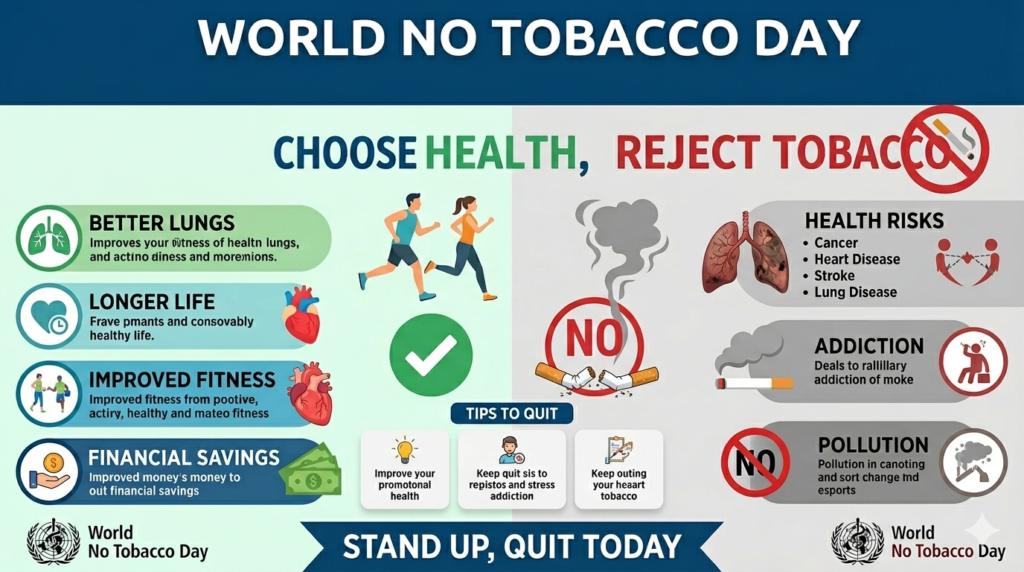
Every year, World No Tobacco Day is observed on 31st May to raise awareness about the harmful effects of tobacco consumption and to encourage people around the world to quit smoking and other forms of tobacco use. This important day serves as a reminder that tobacco remains one of the leading causes of preventable deaths globally, affecting millions of lives each year.
According to Dr. Shweta Hasija, creating awareness about the dangers of tobacco is essential for building healthier communities and protecting future generations from nicotine addiction. World No Tobacco Day is not only a campaign but also a global movement that promotes healthier lifestyles and a tobacco-free future.
What Is World No Tobacco Day?
World No Tobacco Day was established by the World Health Organization in 1987 to draw attention to the tobacco epidemic and its devastating health consequences. Every year, governments, healthcare professionals, educational institutions, and organizations participate in activities that educate people about the risks associated with tobacco use.
The primary objective of this day is to:
- Increase awareness about tobacco-related diseases.
- Encourage tobacco users to quit.
- Protect non-smokers from secondhand smoke.
- Promote public policies that reduce tobacco consumption.
- Support a healthier and smoke-free society.
The Growing Tobacco Problem
Tobacco use remains one of the biggest public health challenges worldwide. Despite numerous awareness campaigns, millions of people continue to consume tobacco in various forms, including:
- Cigarettes
- Bidis
- Cigars
- Hookah
- Smokeless tobacco products
- Gutkha and pan masala containing tobacco
Many people start using tobacco due to peer pressure, stress, curiosity, or social influences. Unfortunately, what begins as an occasional habit often turns into a lifelong addiction due to the presence of nicotine, a highly addictive substance.
Harmful Effects of Tobacco on Health
Tobacco affects nearly every organ in the human body. The damage caused by tobacco use can be severe and, in many cases, irreversible.
1. Lung Diseases
Smoking is one of the primary causes of:
- Chronic Obstructive Pulmonary Disease (COPD)
- Emphysema
- Chronic bronchitis
- Reduced lung capacity
People who smoke often experience persistent coughing, breathing difficulties, and reduced physical endurance.
2. Cancer Risk
Tobacco use significantly increases the risk of several cancers, including:
- Lung cancer
- Oral cancer
- Throat cancer
- Esophageal cancer
- Pancreatic cancer
- Bladder cancer
The toxic chemicals found in tobacco damage cells and DNA, leading to uncontrolled cell growth.
3. Heart Disease
Smoking increases blood pressure and heart rate while reducing oxygen supply to the body. This raises the risk of:
- Heart attacks
- Stroke
- Coronary artery disease
- Peripheral vascular disease
4. Impact on Oral Health
Smokers are more likely to experience:
- Bad breath
- Tooth discoloration
- Gum disease
- Tooth loss
- Oral cancers
5. Weakened Immune System
Tobacco weakens the body’s natural defenses, making it harder to fight infections and illnesses.
Tobacco and Women’s Health
Women face unique health risks from tobacco consumption. Smoking can affect reproductive health and increase complications during pregnancy.
Potential risks include:
- Reduced fertility
- Miscarriage
- Premature birth
- Low birth weight babies
- Pregnancy complications
Healthcare experts often emphasize the importance of quitting tobacco before planning a pregnancy. Consulting the Best Gynecologist and Obstetrician in Gurgaon can help women understand the impact of smoking on maternal and reproductive health and receive guidance for a healthier pregnancy journey.
The Danger of Secondhand Smoke
Even people who do not smoke can suffer serious health consequences from exposure to secondhand smoke.
Secondhand smoke contains thousands of chemicals, many of which are toxic and carcinogenic.
Children exposed to secondhand smoke are at higher risk of:
- Asthma
- Respiratory infections
- Ear infections
- Sudden Infant Death Syndrome (SIDS)
Adults exposed to secondhand smoke may develop:
- Heart disease
- Lung cancer
- Breathing problems
Creating smoke-free homes and public spaces is essential for protecting vulnerable populations.
Why Quitting Tobacco Is Important
The benefits of quitting tobacco begin almost immediately and continue for years.
Within 20 Minutes
- Heart rate begins to normalize.
- Blood pressure starts to decrease.
Within 24 Hours
- Carbon monoxide levels in the blood drop significantly.
- Oxygen levels improve.
Within Weeks
- Lung function improves.
- Circulation becomes better.
- Physical activity becomes easier.
Within One Year
- Risk of heart disease is substantially reduced.
Long-Term Benefits
- Lower risk of cancer.
- Better respiratory health.
- Increased life expectancy.
- Improved quality of life.
No matter how long a person has used tobacco, quitting can provide significant health benefits.
Effective Ways to Quit Tobacco
Quitting tobacco can be challenging, but it is achievable with determination and proper support.
1. Set a Quit Date
Choose a specific day to stop using tobacco and prepare mentally for the change.
2. Identify Triggers
Understand situations that encourage tobacco use, such as:
- Stress
- Social gatherings
- Alcohol consumption
- Work pressure
Develop healthier alternatives to manage these triggers.
3. Seek Professional Support
Doctors, counselors, and healthcare professionals can provide guidance and personalized quitting plans.
4. Use Nicotine Replacement Therapy
Options may include:
- Nicotine gum
- Nicotine patches
- Nicotine lozenges
These products can help reduce withdrawal symptoms.
5. Stay Active
Regular exercise can:
- Reduce cravings
- Improve mood
- Lower stress levels
- Support overall health
6. Build a Support System
Family members and friends can play a crucial role in encouraging tobacco-free living.
The Role of Families and Communities
Tobacco prevention begins at home. Parents and guardians have a strong influence on the choices children make.
Families can help by:
- Discussing the dangers of tobacco openly.
- Setting positive examples.
- Encouraging healthy habits.
- Supporting loved ones who are trying to quit.
Schools, workplaces, and community organizations also contribute by promoting awareness and tobacco-free environments.
Government Initiatives Against Tobacco
Many countries have introduced strong measures to reduce tobacco consumption, including:
- Graphic health warnings on tobacco products
- Restrictions on tobacco advertising
- Public smoking bans
- Higher taxes on tobacco products
- Awareness campaigns and educational programs
These efforts have helped reduce tobacco use and encourage healthier lifestyles among populations.
World No Tobacco Day Theme and Significance
Each year, World No Tobacco Day focuses on a specific theme designed to highlight a critical issue related to tobacco control. These themes address emerging challenges and encourage governments, healthcare providers, and individuals to take action.
The day serves as a platform to:
- Educate communities.
- Promote healthier choices.
- Encourage tobacco cessation.
- Support stronger public health policies.
By participating in awareness campaigns and sharing accurate information, everyone can contribute to reducing tobacco-related harm.
A Healthier Future Starts Today
World No Tobacco Day is more than an annual observance—it is a call to action. Every cigarette avoided, every tobacco product rejected, and every successful quit attempt represents a step toward a healthier future.
As emphasized by Dr. Shweta Hasija, protecting our health begins with making informed choices. Quitting tobacco not only improves personal well-being but also safeguards the health of family members, friends, and future generations.
A tobacco-free life offers countless benefits, including better physical health, improved mental well-being, financial savings, and a longer, more fulfilling life. On this World No Tobacco Day, let us commit to spreading awareness, supporting those who want to quit, and building a healthier, tobacco-free world for everyone.